Michigan Cannabis in 2026: Where the Industry Stands Right Now
Michigan's cannabis market generated over $3 billion in 2025 — but prices are falling, licenses are declining, and the industry is at a crossroads. Here's the honest snapshot.
Questions this article answers
- how is Michigan cannabis market doing
- Michigan cannabis sales 2026
- how many dispensaries in Michigan

Head Cultivator
On this page
Michigan's legal cannabis market generated over $3.17 billion in adult-use sales in 2025, making it one of the largest cannabis markets in the country. But behind that headline number, the industry is under real pressure. Prices are dropping, margins are shrinking, the first annual decline in active licenses was recorded in 2025, and a new 24% wholesale tax is reshaping the economics for every operator in the state.
Here's an honest look at where Michigan cannabis stands as of spring 2026.
The Numbers: Michigan by the Data #
| Metric | 2025 Figure |
|---|---|
| Adult-use sales | ~$3.17 billion |
| Medical sales | Declining (patient migration to adult-use) |
| Active licenses | First annual decline since recreational launch |
| Average flower price | Down ~30-40% from 2022 peak |
| Tax revenue generated | Hundreds of millions (excise + sales + new wholesale) |
| Licensed dispensaries | 700+ statewide |
What's Driving the Squeeze? #
1. Oversupply Is Crushing Prices #
Michigan issued licenses aggressively in the early years of legalization. The result: more product on the market than consumers can absorb. Wholesale flower prices have dropped 30-40% from their 2022 peak, compressing margins across the supply chain.
For cultivators, this means selling premium flower at prices that barely cover production costs. For consumers, it means lower prices at the register — but also increased risk that dispensaries cut corners to survive.
2. The 24% Wholesale Tax #
In January 2026, Michigan added a 24% wholesale tax on cannabis transactions between cultivators and retailers. Combined with the existing 10% excise tax and 6% state sales tax, the total tax burden on cannabis now approaches 40%.
- Large multi-state operators can absorb the hit through vertical integration
- Small, independent operators are getting squeezed hardest
- Bipartisan repeal efforts (Senate Bill 810) are in progress but uncertain
- Consumer prices are rising, potentially driving buyers to the illicit market
3. Corporate Consolidation #
As prices fall and taxes rise, smaller operators are selling out to larger companies. The result is a market that's becoming increasingly consolidated:
- Multi-state operators are acquiring struggling Michigan businesses
- Vertical integration (growing, processing, AND selling) gives large operators cost advantages
- Independent craft growers face an existential threat
4. Medical Market Decline #
Michigan's medical marijuana program is shrinking as patients migrate to the adult-use market. Adult-use shops offer more convenience, wider selection, and often competitive pricing — reducing the incentive to maintain a medical card.
What's Going Right #
It's not all bad news:
Quality Is Improving #
Market pressure forces operators to compete on quality, not just price. Better flower, cleaner processing, and more transparent testing are becoming competitive advantages.
Testing Standards Are Tightening #
The Michigan Cannabis Regulatory Agency (CRA) has strengthened lab testing requirements, catching contaminated products and improving consumer safety across the board.
Consumer Education Is Growing #
Michigan consumers are becoming more sophisticated — asking about terpene profiles, growing methods, and lab results. This benefits quality-focused growers and pushes the market toward better products.
Craft Differentiation Works #
Operators who compete on story, quality, and growing method rather than price alone are finding loyal customer bases. Sun-grown, organic, small-batch — these differentiators matter to an increasingly educated consumer.
What to Watch in 2026 #
| Issue | Why It Matters |
|---|---|
| Senate Bill 810 (tax repeal) | Could remove the 24% wholesale tax, giving operators breathing room |
| Schedule III implementation | Medical marijuana reclassification removes 280E tax penalty but doesn't change state law |
| Social equity outcomes | Only ~3.8% of license holders are Black — structural reforms are overdue |
| Illicit market competition | High taxes may push more consumers to untested, unregulated products |
| Interstate commerce | Federal legalization could open Michigan flower to national markets |
What This Means for You as a Consumer #
Buy Local, Buy Small #
Your purchasing decisions determine who survives the consolidation wave. Every dollar spent at a locally-owned, community-rooted operation supports the independent ecosystem.
Ask About Growing Practices #
Price compression incentivizes cutting corners. Ask your dispensary: Is this sun-grown? Is it organic? Where are the lab results? Quality hasn't gotten cheaper — it's just gotten harder to find.
Pay Attention to Policy #
The tax debate, equity reform, and federal rescheduling outcomes will directly affect your access, pricing, and product selection. Engage with local advocacy organizations.
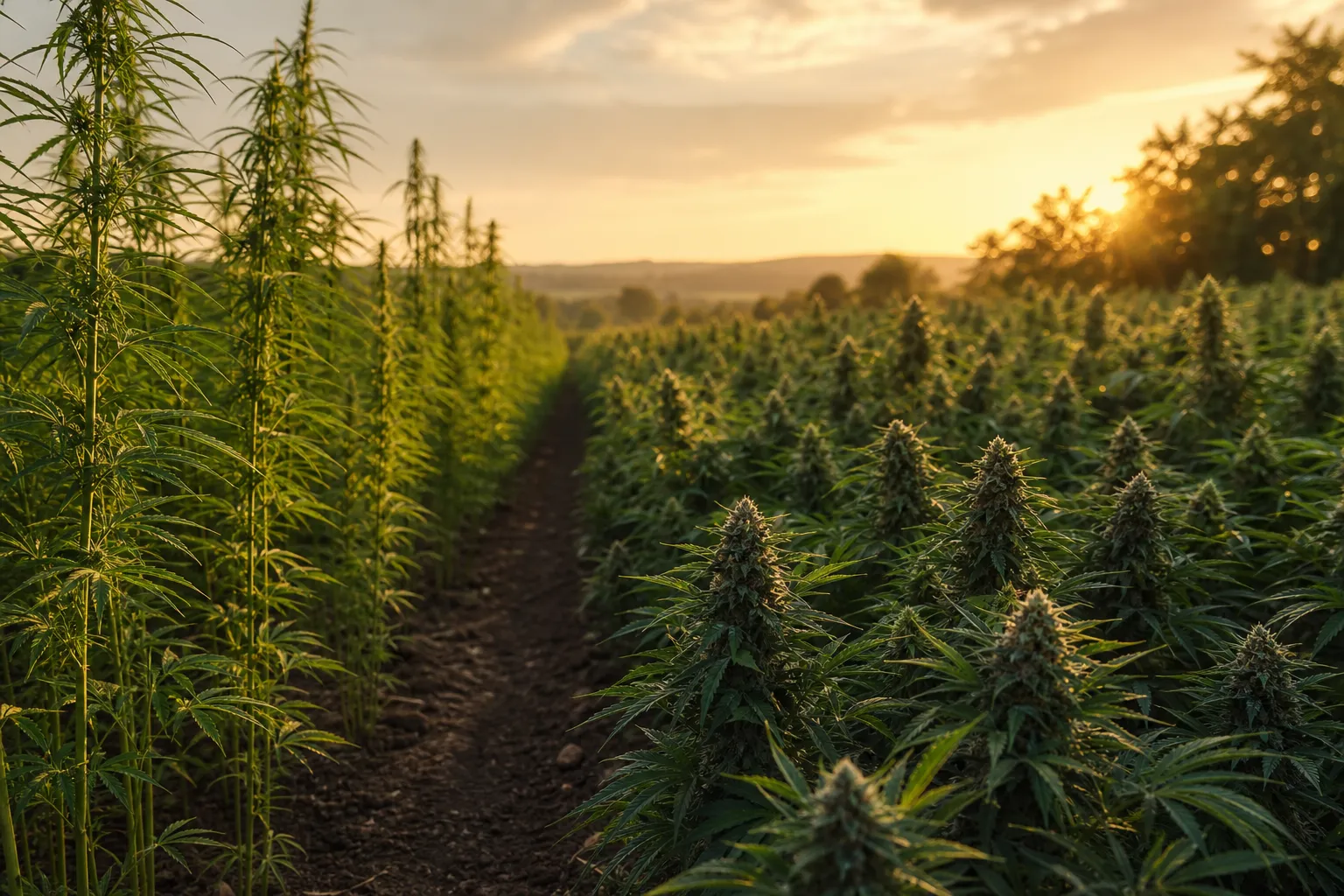
At Divine Toke, we're not observers of this market — we're in it. We grow sun-grown organic cannabis in Detroit's living soil because we believe the market needs operators who prioritize the plant and the community over scale and margins. That's the bet we're making.
FAQ: Michigan Cannabis Market 2026 #
Q: How much did Michigan cannabis sales total in 2025? #
A: Michigan's adult-use cannabis market generated approximately $3.17 billion in sales in 2025, making it one of the top five cannabis markets in the United States. However, declining per-unit prices mean revenue growth is slowing despite steady or increasing consumption.
Q: Why are cannabis prices dropping in Michigan? #
A: Oversupply from aggressive licensing in the early years created more product than the market can absorb. This excess supply drives wholesale flower prices down 30-40% from 2022 peaks, compressing margins industry-wide.
Q: What is the total tax on cannabis in Michigan? #
A: Michigan cannabis now faces a combined tax burden approaching 40% — including a 10% excise tax, 6% state sales tax, and a new 24% wholesale tax enacted in January 2026. This makes Michigan one of the highest-taxed cannabis markets in the country.
Q: How many cannabis dispensaries are in Michigan? #
A: Michigan has over 700 licensed dispensaries statewide. However, 2025 saw the first annual decline in active licenses since recreational sales began, indicating market contraction and consolidation.
Q: Is Michigan cannabis safe? #
A: Licensed Michigan cannabis undergoes mandatory lab testing for potency, pesticides, heavy metals, microbials, and mycotoxins through CRA-certified laboratories. This makes it significantly safer than illicit market products, which receive no testing.
Q: Will cannabis prices go up because of the new tax? #
A: The 24% wholesale tax creates upward pressure on retail prices. Some operators are absorbing the cost; others are passing it to consumers. If prices rise too much, the illicit market becomes more competitive, creating a counterproductive cycle.
Q: What happens if Senate Bill 810 passes? #
A: SB 810 would repeal the 24% wholesale tax, providing significant financial relief to cannabis operators — especially smaller businesses on thin margins. Its passage would likely stabilize prices and reduce the incentive for consumers to buy from untested sources.
Q: How can I support Michigan's craft cannabis market? #
A: Buy from locally-owned, small-batch growers. Ask about growing practices — sun-grown, organic, and living-soil methods indicate craft quality. Support dispensaries that prioritize Michigan-grown flower over corporate supply chains.
The Michigan market is at a crossroads. Which direction it goes depends on policy, consumers, and the operators who refuse to cut corners.
Read more: Cannabis Rescheduling Guide → · Farm Bill Comparison →
Grown in Detroit. Shipped to your door.
Small-batch, sun-grown cannabis cultivated in living soil. Mail-order shipping to all 50 states.