The Entourage Effect Is Real: Why Whole-Plant Cannabis Beats Isolates
Whole-plant cannabis consistently outperforms isolated THC or CBD. Here's the science behind the entourage effect, why it matters for your experience, and how to find products that preserve this natural synergy.
Questions this article answers
- what is the entourage effect
- does the entourage effect exist
- whole plant vs isolate cannabis
- is full spectrum cannabis better
- why does whole plant cannabis work better
Head Cultivator
On this page
Pure THC gets you high. Pure CBD gives you mild anxiety relief. But whole-plant cannabis — with all its parts working together as a team — hits harder, feels smoother, and works more reliably than any single ingredient alone. This isn't sales talk. It's a real thing scientists can measure and prove, called the entourage effect. The evidence has piled up over the past five years. If you're buying THC distillate, CBD isolate, or any single-ingredient product at a Michigan dispensary, you're getting a watered-down version of what cannabis can actually do — and Detroit-area shoppers can verify that on the COA, not the marketing line.
What Is the Entourage Effect? #
The entourage effect is when all the ingredients in cannabis — the cannabinoids, terpenes, and other plant compounds — work together as a team to create effects stronger than any single part could do alone. Think of it like a band: a solo singer can carry a tune, but a full band with drums, bass, and backup singers creates something way richer and more powerful.
The Original Concept (1998) #
Dr. Raphael Mechoulam and his team first came up with the entourage effect idea to explain why the cannabis-like compounds your body makes naturally seemed to work better together than alone. Later, they realized the same thing happens with plant cannabis — the hundreds of compounds in the whole plant create a full-band sound that isolated compounds just can't copy.
The Modern Understanding (2020s) #
Modern research has figured out exactly how the entourage effect works. Here are the five main ways the different ingredients team up:
| How They Work Together | Simple Explanation | Real-World Example |
|---|---|---|
| Changing how docking stations respond | Terpenes change how cannabinoids plug into your body's CB1 and CB2 docking stations | Beta-caryophyllene helps CBD connect better to CB2 receptors |
| Slowing down the cleanup crew | Some ingredients slow down the enzymes that break down other ingredients, so the good stuff lasts longer | CBC slows down FAAH — the enzyme that breaks down your body's natural cannabis-like chemicals — so anandamide (your body's own version of THC) sticks around longer |
| Hitting multiple targets at once | Multiple ingredients work on different pain or inflammation pathways simultaneously | THC, CBG, and myrcene all fight inflammation through different routes at the same time |
| Helping your body absorb more | Some ingredients help your body take in and use other ingredients better | Terpenes help the active ingredients cross into your brain more easily |
| Calming the side effects | Some ingredients reduce the negative effects of others | CBD and linalool chill out THC-induced anxiety |
The entourage effect isn't magic. It's just like using multiple tools to fix a car — each one does something different, and together they get the job done better than any single tool could.
What Does the Research Say About the Entourage Effect? #
Multiple research studies published through 2025 prove that whole-plant cannabis extracts consistently beat isolated cannabinoids for pain, depression, and inflammation. The evidence has gone from "maybe this is real" to "this is definitely real." Studies show you need 40% less medicine when using whole-plant extracts, and the results are better across the board.
2025: Full-Spectrum Superiority in Depression #
A major 2025 animal study compared whole-plant CBD extract against pure CBD isolate for depression-like behaviors in rats. Here's what happened:
- Whole-plant CBD at 15 and 30 mg/kg reversed depression-like behaviors
- Pure CBD isolate at the same doses did pretty much nothing
- The study made sure both groups got the same total amount of CBD — the only difference was the presence of minor cannabinoids and terpenes in the whole-plant extract
This is straight-up proof of the entourage effect. Same main ingredient, same dose, totally different results based on whether the extract was whole-plant or isolated.
2025: Dose-Sparing Effects in Pain #
A meta-analysis in The Lancet looked at 34 randomized controlled trials and found that patients using whole-plant CBD needed 40% lower doses to get the same pain relief compared to pure CBD isolate.
This means the entourage effect isn't just about feeling better — it's about using less. Whole-plant extracts work at lower doses because the supporting ingredients amplify the main active ingredient.
2025: Clinical Pain Management Outcomes #
A study of 88 chronic pain patients using full-spectrum cannabis extracts reported:
- 51 patients (58%) achieved 50% or greater pain reduction
- 38 patients reported reduced anxiety
- 48 patients reported improved sleep
- 23 patients reduced or discontinued other analgesics
These outcomes exceed what's typically seen in studies of isolated cannabinoids, suggesting the full-spectrum approach delivers superior real-world results.
2021: The Israeli Breast Cancer Study #
Research from Israel showed that cannabis extracts containing both THC and CBD, along with the original terpene profile, were more effective at fighting cancer cells in lab studies than either cannabinoid alone. The researchers found the terpene fraction was especially important for this team effect.
The 2015 Groundwork: CBD Isolate vs. Full-Spectrum #
The study that first proved the entourage effect in modern science: Israeli researchers compared pure CBD isolate against whole-plant CBD extract for fighting inflammation.
- Whole-plant extract worked well across a range of doses — the more you took, the better it worked
- Pure CBD isolate only worked at one specific dose — higher or lower doses worked worse
This was the key finding that shifted the conversation from "marketing claim" to "something scientists can measure and prove."
How Does the Entourage Effect Actually Work? #
The entourage effect works through five proven ways: changing how docking stations respond, slowing down the cleanup crew, hitting multiple targets at once, helping your body absorb more, and calming side effects. These interactions create a full-band sound that isolated compounds simply can't copy.
Cannabinoid Synergies #
| Combination | How They Work Together | What You Feel |
|---|---|---|
| THC + CBD | CBD changes how THC plugs into CB1 docking stations, dialing down the mental fog while keeping the pain relief | Stronger pain relief with less head-high |
| THC + CBG | CBG boosts CB1 receptor signaling and fights inflammation through different routes than THC | Better pain relief plus extra inflammation-fighting power |
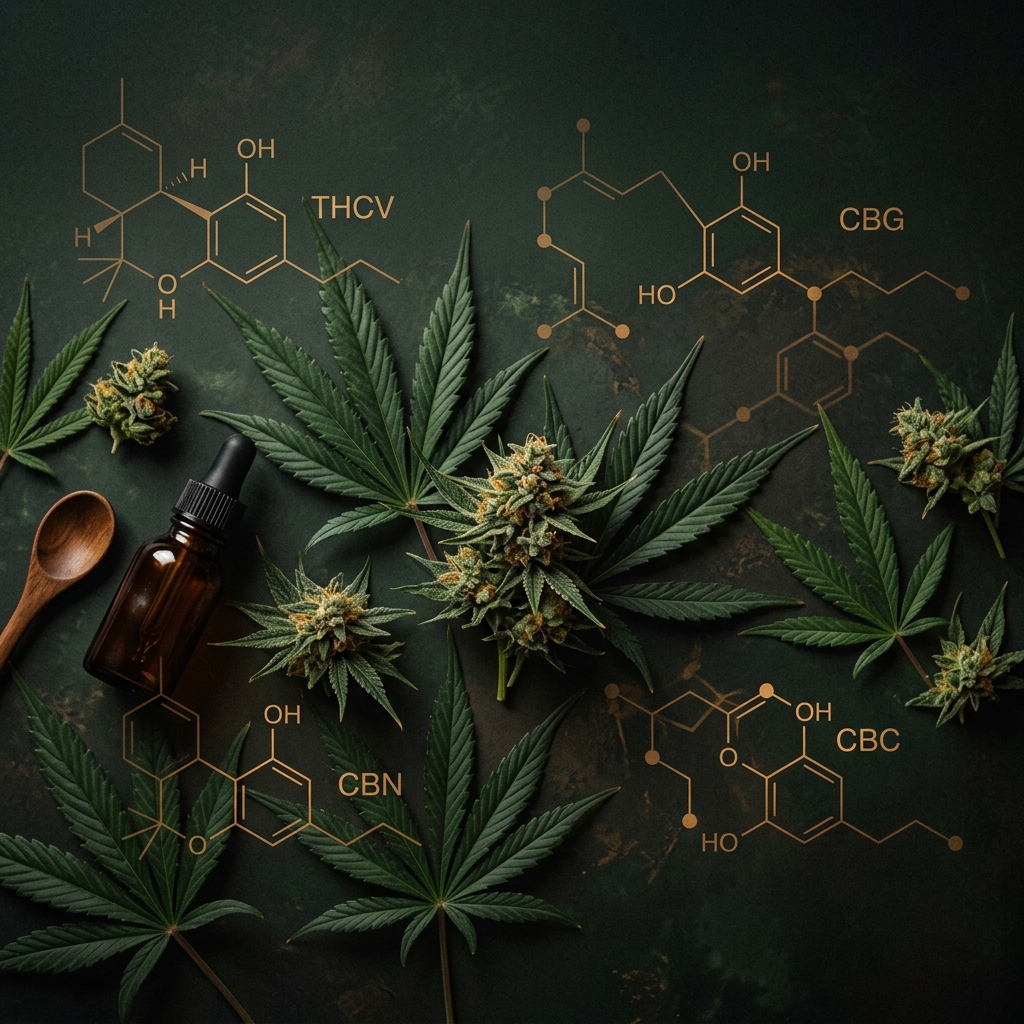
| THC + CBN | CBN may deepen THC's sleepy effects through pain-sensing receptors | Better sleep support |
| CBD + CBC | CBC keeps anandamide (your body's natural THC) circulating longer; CBD slows down its breakdown | Better mood, more relaxed feeling |
| CBD + CBG | Both fight inflammation but hit different receptor systems (the brain's feel-good receptors and PPAR-gamma) | Stronger anti-inflammatory effect than either one alone |
Terpene-Cannabinoid Synergies #
Terpenes don't just smell good — they actively change how cannabinoids work:
Myrcene + THC:
- Myrcene helps THC get absorbed better by making cell membranes more permeable
- Both compounds make you sleepy, and they stack together
- Result: stronger relaxation and sleep support than THC alone
Beta-caryophyllene + CBD:
- Beta-caryophyllene is the only terpene that directly activates CB2 docking stations
- CBD adjusts CB2 activity indirectly
- Together: powerful anti-inflammatory and pain-fighting effect
Linalool + THC:
- Linalool triggers the brain's feel-good receptors (serotonin) and GABA receptors — the same pathways that calm anxiety
- THC can make some people anxious at higher doses
- Linalool counters that anxiety: calmer experience with the same THC dose
Limonene + CBD:
- Limonene boosts mood by working on serotonin
- CBD provides anxiety relief through some of the same receptors
- Together: better mood support, useful for depression and anxiety
Pinene + THC:
- Pinene may help support memory by inhibiting acetylcholinesterase (an enzyme that breaks down a memory-related chemical)
- THC can impair short-term memory
- Pinene may help offset THC's memory effects
- Together: clearer-headed experience
The Flavonoid Contribution (Often Overlooked) #
Cannabis contains special plant compounds found only in cannabis (called cannaflavins A, B, and C) that add to the entourage effect:
- Cannaflavin A: Strong anti-inflammatory — worked better than aspirin in some lab tests
- Quercetin and kaempferol: Antioxidant and anti-inflammatory properties (fight cell damage and swelling)
- Apigenin: Calming effects that work through GABA receptors in your brain
These compounds show up in tiny amounts but add to the overall effect of whole-plant cannabis.
How Does Whole-Plant Cannabis Compare to Isolates? #
Whole-plant cannabis delivers broader effects at lower doses with fewer side effects than isolated cannabinoids. The comparison isn't even close: whole-plant extracts let you use 40% less medicine for the same relief, feel smoother, and get more predictable results across the board.
| Factor | Isolates (THC/CBD only) | Whole-Plant Full-Spectrum |
|---|---|---|
| Effect predictability | Narrow effective dose range | Broad, flexible dose response |
| Effective dose | Higher amount needed | Lower amount needed because ingredients work together |
| Side effects | More pronounced (THC anxiety, CBD fatigue) | Smoother, more balanced |
| How long it lasts | Shorter | Longer, more sustained |
| Tolerance buildup | Faster | Slower because of receptor variety |
| Terpene benefits | None | Included: anti-inflammatory, mood support, etc. |
| Minor cannabinoid benefits | None | Included: CBG, CBC, CBN, THCV effects |
| Cost per effective dose | Cheaper upfront, more expensive over time | More expensive upfront, cheaper over time |
| Complexity of experience | Simple, one-note | Nuanced, multi-layered |
Which Product Types Preserve the Entourage Effect? #
Whole flower, live resin, live rosin, and full-spectrum extracts best keep the entourage effect intact, while distillates and isolates strip it away entirely. Understanding product labels and extraction methods helps you pick cannabis that delivers the full benefits of whole-plant teamwork.
Products That Preserve Entourage Effect #
| Product Type | How Well It Preserves Entourage | Why |
|---|---|---|
| Whole flower | Excellent | All compounds intact; richest profile |
| Live resin | Excellent | Extracted from fresh-frozen flower; preserves delicate terpenes |
| Live rosin | Excellent | Solventless extraction; keeps full compound profile |
| Full-spectrum extracts | Very good | Processed to keep cannabinoid and terpene ratios intact |
| RSO (Rick Simpson Oil) | Very good | Whole-plant extraction; minimal processing |
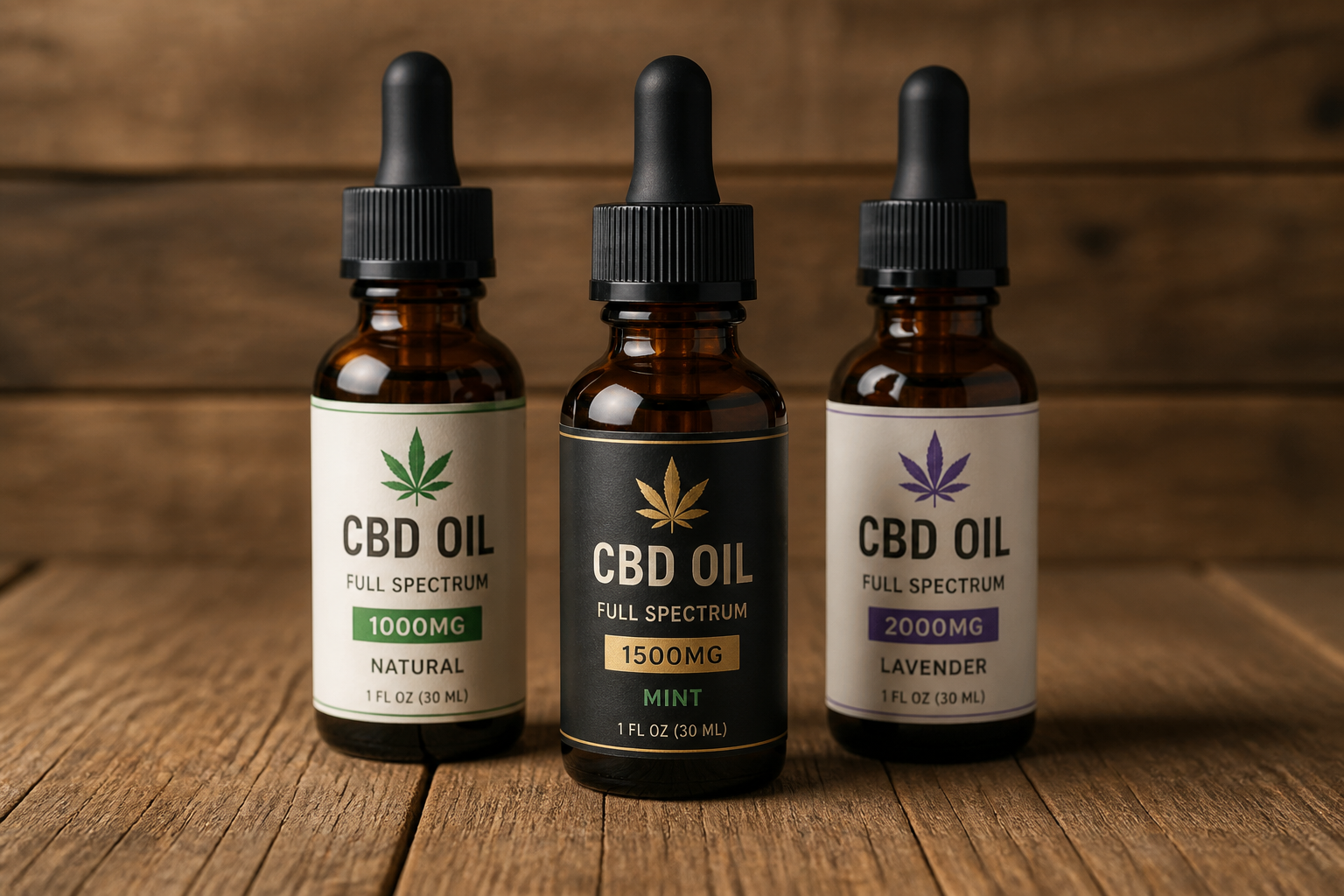
| Full-spectrum tinctures | Good to very good | Depends on extraction method; check the lab report |
Products That Diminish or Eliminate Entourage Effect #
| Product Type | Entourage Status | Why |
|---|---|---|
| Distillate | Poor | Stripped down to pure cannabinoids; added terpenes aren't the original profile |
| Isolate products | None | Single ingredient only |
| THC/CBD "isolates" with terpenes added | Weak | Reconstructed profiles lack minor cannabinoids and natural ratios |
| Heavily refined edibles | Poor to none | Often made from distillate |
| Vape cartridges (most) | Varies | Many use distillate with plant-derived terpenes added |
How to Read Labels for Entourage Quality #
Michigan retail packages must show lab-reported THC and CBD, activation time, lab info, and the other identity fields under CRA rule R 420.504 — they do not have to print "full-spectrum," "isolate," or a terpene list. Marketing rules also bar health-benefit claims on packaging unless FDA-qualified (R 420.507). So for entourage shopping, treat the sticker as the legal summary and ask for the batch COA:
- Check for "full-spectrum," "whole-plant," or "live resin" — useful signals, but verify on the COA
- Review the lab report for terpene content — look for 10+ specific terpenes, not just a "total terpenes" number
- Check for minor cannabinoids — CBG, CBC, CBN should show up on the panel
- Avoid "THC distillate with botanical terpenes" — this is a reconstructed profile, not the real entourage
- Ask about extraction method — solventless (rosin) and low-temperature methods keep more compounds intact
Why Sun-Grown Organic Maximizes the Entourage Effect #
If the entourage effect matters (and the evidence says it does), how do you get the most chemically complex cannabis? In Michigan, sun-grown and greenhouse flower still has to handle real UV and weather — useful context when you're comparing COAs at a Detroit-area counter.
Environmental Stress = Chemical Diversity #
Outdoor cannabis grown in the sun faces environmental challenges that indoor plants don't have to deal with:
- UV radiation from the sun triggers protective terpene production
- Temperature swings stimulate the plant to make a wider variety of cannabinoids
- Wind and weather cause the plant to produce defensive compounds
- Soil microbiome interactions improve nutrient uptake and compound production
The result: sun-grown plants produce a wider variety of chemicals — exactly what you want for the entourage effect.
Organic Cultivation Protects Compound Integrity #
Synthetic pesticides and fertilizers can:
- Disrupt the soil microbes that help produce terpenes
- Leave residues that change the natural compound profile
- Stress plants in ways that reduce minor cannabinoid production
Organic growing in living soil helps the plant express its full genetic potential.
Data: Sun-Grown vs. Indoor Chemical Profiles #
| Metric | Typical Indoor | Sun-Grown Organic |
|---|---|---|
| Total terpenes | 0.8-1.5% | 2-4% |
| Terpene variety | 8-12 compounds | 15-25+ compounds |
| Minor cannabinoids detected | Often not detectable | Routinely present (CBG, CBC, CBN) |
| Special cannabis-only flavonoids | Minimal | Present |
The Pharmaceutical Problem: Why Big Pharma Struggles With Cannabis #
Here's the problem: drug companies want to sell you one ingredient in a pill. Why? Because they can patent it, control the dose exactly, and run it through standard FDA approval.
That's why pharmaceutical cannabis products like Epidiolex (pure CBD) and Marinol (synthetic THC) are single-compound drugs. They fit the drug company business model: patentable, predictable, profitable.
But the entourage effect means these single-ingredient drugs are limited compared to whole-plant cannabis. Epidiolex helps with epilepsy, but whole-plant CBD extracts may offer broader benefits because all the ingredients work together — benefits that are harder to patent and profit from.
This conflict between how drug companies make money and what actually works best for patients helps explain why medical cannabis access has been such a political battle, even as the research keeps proving whole-plant cannabis is more effective.
How Can Consumers Maximize the Entourage Effect? #
Choose whole-plant products with verified cannabinoid and terpene profiles, avoid reconstituted distillates, and prioritize sun-grown organic cannabis from living soil. These practical steps ensure you're getting the full band of compounds that makes whole-plant cannabis so effective.
1. Choose Full-Spectrum Products #
Look for:
- "Full-spectrum" or "whole-plant" on the label
- Lab reports showing 10+ cannabinoids and 10+ terpenes
- Live resin or live rosin for concentrates
- Flower from diverse genetic backgrounds (not just one strain grown over and over)
2. Avoid Reconstituted Profiles #
Skip products that:
- Use "distillate with added terpenes"
- Don't provide detailed COAs
- List only THC and CBD, no minor cannabinoids
- Claim "effects of indica" or "sativa" without terpene data
3. Consider the Source #
Sun-grown organic cannabis from living soil consistently shows richer chemical profiles than indoor hydroponic growing. If the entourage effect matters to you, how the plant was grown matters too — ask Michigan budtenders for cultivation method and the full COA, not just the loudest THC number on the shelf.
4. Experiment with Ratios #
The entourage effect means different combinations work for different people:
- High-THC, low-CBD for maximum high (with more side effects)
- Balanced 1:1 for medical benefits while staying clear-headed
- CBD-dominant with trace THC for anxiety relief without getting high
- Minor cannabinoid-rich strains for specific needs (CBG for digestion, CBN for sleep)
5. Trust Your Experience #
If a whole-plant product feels different from an isolate (and it should), that's the entourage effect. Many people report:
- Smoother come-up and come-down
- More complex, layered effects
- Longer-lasting relief
- Fewer side effects at the same dose
- Better ability to function while using it
FAQ: The Entourage Effect #
Q: What is the entourage effect? #
A: The entourage effect is when all the ingredients in cannabis — cannabinoids like THC and CBD, terpenes that give it smell and taste, and other plant compounds — work together as a team to create stronger effects than any single ingredient could do alone. It's why whole-plant cannabis consistently beats isolated THC or CBD in research studies.
Q: Is the entourage effect real or just marketing? #
A: The entourage effect is a real thing scientists can measure and prove, backed by multiple research studies. A 2025 meta-analysis of 34 controlled trials shows whole-plant CBD requires 40% lower doses than isolate for the same pain relief. Animal studies show that whole-plant extracts produce effects that isolated compounds simply don't. The science has gone from "maybe" to "proven."
Q: Why does whole-plant cannabis work better than isolates? #
A: Whole-plant cannabis contains over 100 cannabinoids and over 200 terpenes that work together in multiple ways: changing how docking stations respond (terpenes change how cannabinoids plug in), slowing down the cleanup crew (ingredients preserve each other), hitting multiple targets at once, and calming side effects (CBD and linalool reduce THC anxiety). These team efforts create effects that single compounds simply can't copy.
Q: What are the best product types for the entourage effect? #
A: Whole flower, live resin, live rosin, full-spectrum extracts, and RSO (Rick Simpson Oil) best preserve the entourage effect. These products retain the full range of cannabinoids and terpenes in their natural ratios. Avoid distillates, isolates, and products labeled "with added terpenes" — these have been stripped and reconstituted, lacking the natural synergy.
Q: Can you get the entourage effect from edibles? #
A: Yes, but only if the edibles are made from whole-plant extracts or actual plant material. Most store-bought edibles use distillate or isolate because they're easier to dose and manufacture. Check the label for "full-spectrum," "whole-plant," or "live resin" — and look at the lab report for minor cannabinoids and terpenes. Standard dispensary gummies usually don't have the entourage effect.
Q: Why does sun-grown cannabis have a stronger entourage effect? #
A: Sun-grown cannabis produces 2-3 times more terpene variety and more detectable minor cannabinoids than indoor-grown. UV radiation from natural sunlight triggers the plant to make defensive compounds, including the terpenes and cannabinoids that drive the entourage effect. Indoor lighting is tuned for bulk (THC production), not chemical variety. Organic living soil growing also helps the plant express its full genetic potential.
Q: What's the difference between full-spectrum and broad-spectrum? #
A: Full-spectrum contains all cannabinoids including trace amounts of THC (under 0.3% for hemp-derived products, higher for marijuana-derived). Broad-spectrum contains multiple cannabinoids and terpenes but has the THC removed. For the full entourage effect, full-spectrum is better — THC adds to the team effect even at low levels. However, broad-spectrum is a good middle ground for those who need to avoid THC entirely.
Q: Can you overdose on the entourage effect? #
A: No. The entourage effect doesn't make cannabis dangerous — it makes it more effective. You cannot "overdose" on synergy. However, full-spectrum products can feel stronger than isolates at the same labeled dose because they're working more efficiently. Start with lower doses when switching from isolate to full-spectrum to find your equivalent effective dose.
Q: Why don't pharmaceutical companies make whole-plant cannabis drugs? #
A: Drug companies prefer single ingredients they can patent, standardize exactly, and push through traditional FDA approval. Whole-plant extracts are harder to patent, more variable from batch to batch, and don't fit the drug company business model. That's why pharmaceutical cannabis products like Epidiolex and Marinol are single-compound drugs — even though research shows they're less effective than whole-plant cannabis.
Q: How can I tell if a product has the entourage effect? #
A: On a Michigan jar, R 420.504 guarantees THC/CBD and activation time — not the full entourage story. Check the batch COA: whole-plant products show 10+ cannabinoids and 10+ terpenes. Look for minor cannabinoids (CBG, CBC, CBN) and specific terpenes (myrcene, limonene, linalool, beta-caryophyllene) — not just a "total terpenes" number. Ask your Detroit-area budtender about extraction methods — live resin, rosin, and solventless methods keep the entourage intact; distillation strips it away.
Q: Does Divine Toke prioritize the entourage effect? #
A: Yes. At Divine Toke, Detroit's sun-grown organic cannabis grower, we specifically maximize chemical variety and the entourage effect through living soil cultivation. We harvest our flower when terpenes are at their peak, cure it slowly to preserve the delicate compounds, and test it to verify full cannabinoid and terpene profiles. We prioritize whole-plant extracts over distillates for our processed products. When you shop Divine Toke, you're getting the whole plant, not a stripped-down fraction of it.
At Divine Toke, Detroit's home for sun-grown organic cannabis, we believe this plant works best when used as nature made it — complex, diverse, and rich in all its compounds. Our living soil growing methods maximize the entourage effect because we think you deserve the full benefits of this plant, not just the one ingredient that happens to be most famous. If you want to experience whole-plant cannabis with all its cannabinoids and terpenes intact, visit our shop and ask our team about our full-spectrum options.
Related Reading:
- Minor Cannabinoids Explained — the supporting cast that makes the entourage effect work
- Best Terpene Profiles for Digestive Comfort — how specific terpenes drive the entourage effect for wellness
- Indica vs. Sativa vs. Hybrid: What Actually Matters — why terpenes matter more than categories
- The Endocannabinoid System Deep Dive — the parent pillar: biology behind how cannabis works in your body
Grown in Detroit. Shipped to your door.
Small-batch, sun-grown cannabis cultivated in living soil. Mail-order shipping to all 50 states.