What Are Terpenes? The Oils That Make Your Weed Smell (and Work)
Terpenes are the reason Sour Diesel smells like fuel and Lavender Kush smells like flowers. They also determine how a strain actually makes you feel. Here's the science in plain language.
Questions this article answers
- what are terpenes in cannabis
- why do terpenes matter
- what terpene makes you sleepy
- what does myrcene do

Head Cultivator
On this page
Terpenes are volatile aromatic compounds produced by cannabis (and thousands of other plants) that create distinct smells, flavors, and therapeutic effects. They're the reason one strain smells like pine forest and another like rotten citrus. But terpenes aren't just about aroma — they directly interact with your body's receptors and shape how a cannabis strain makes you feel.
If you've been choosing cannabis based on THC percentage alone — including on a Michigan dispensary menu or a Detroit-area shelf — you've been shopping blind. Terpenes are the missing variable.
Why Terpenes Exist #
Cannabis didn't evolve terpenes for humans. These compounds serve the plant as:
- Pest deterrents — many terpenes repel insects and herbivores
- UV protection — some terpenes act as natural sunscreen for the plant
- Antimicrobial defense — terpenes protect against fungal and bacterial infection
- Pollinator attraction — aromatic compounds draw beneficial insects
This is why sun-grown cannabis produces richer terpene profiles — real sunlight, real pests, and real environmental stress push the plant to produce more and more varied terpenes. Indoor grows with controlled conditions remove these stressors, and terpene diversity drops accordingly.
The 7 Most Common Cannabis Terpenes #
1. Myrcene 🥭 #
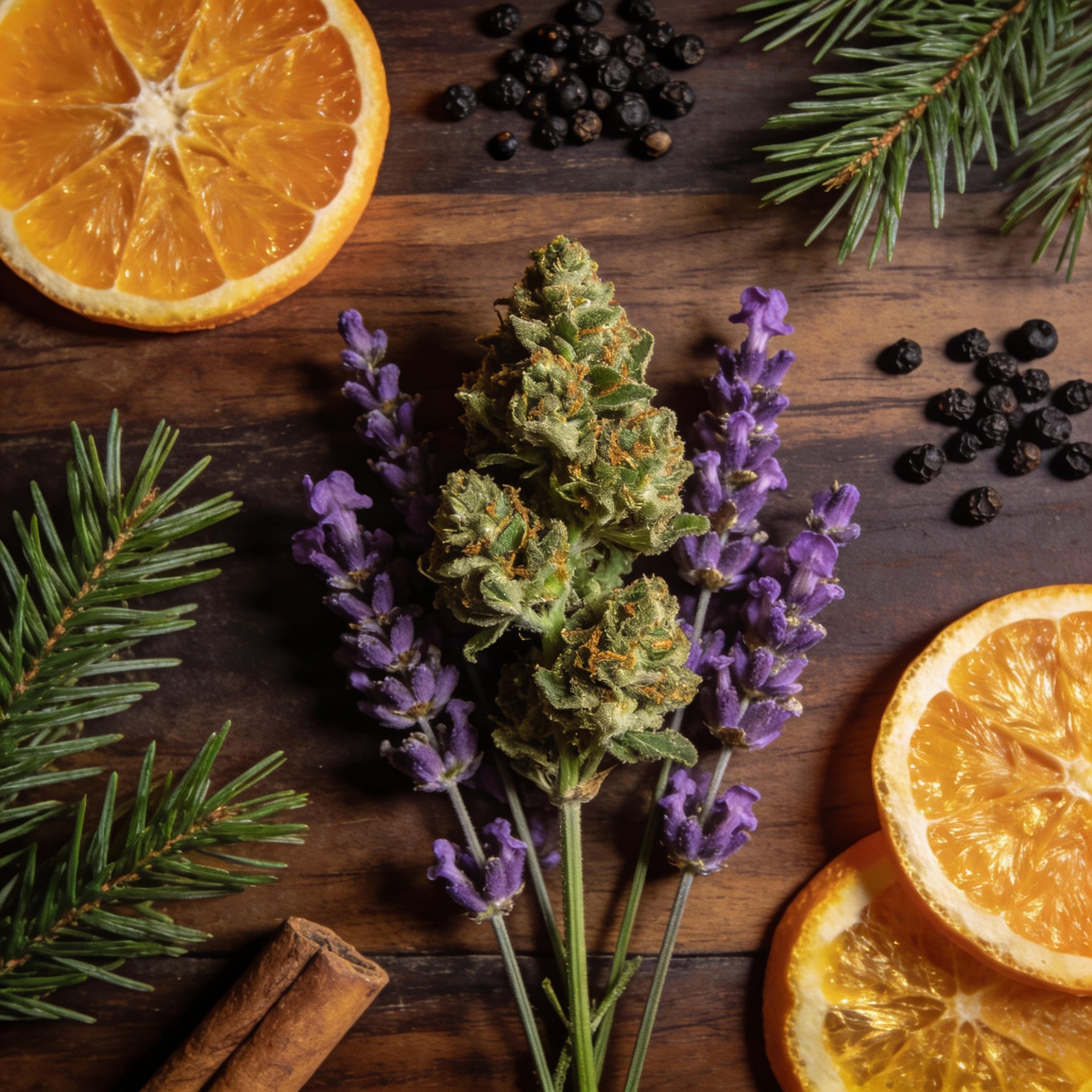
- Aroma: Earthy, musky, mango, herbal
- Also in: Mangoes, hops, lemongrass, thyme
- Effects: Relaxation, sedation, muscle relaxation, enhanced THC absorption
- Dominance: The most common terpene in cannabis — found in the majority of commercial strains
- Why it matters: Myrcene is often what makes "indica" strains feel sedating. High myrcene = body-heavy relaxation.
2. Limonene 🍋 #
- Aroma: Citrus, lemon, orange peel
- Also in: Citrus rinds, juniper, peppermint
- Effects: Mood elevation, anxiety reduction, gastroprotection
- Dominance: Second or third most common terpene in cannabis
- Why it matters: Limonene counterbalances the heaviness of myrcene, creating uplifted, energetic experiences.
3. Beta-Caryophyllene (BCP) 🌶️ #
- Aroma: Peppery, spicy, woody, clove
- Also in: Black pepper, cloves, cinnamon, oregano
- Effects: Anti-inflammatory (direct CB2 activation), pain relief, anxiety reduction
- Dominance: Found in most strains, often in the top 3
- Why it matters: BCP is the only known terpene that directly binds to cannabinoid receptors (CB2), making it function like a cannabinoid itself.
4. Linalool 💜 #
- Aroma: Floral, lavender, slightly sweet
- Also in: Lavender, birch bark, rosewood
- Effects: Calming, anti-anxiety, analgesic (pain-reducing)
- Dominance: Less common as a dominant terpene, but present in many strains
- Why it matters: Linalool is the terpene behind lavender's famous calming properties. Strains high in linalool excel for stress, anxiety, and nighttime use.
5. Pinene 🌲 #
- Aroma: Pine, fresh, sharp
- Also in: Pine trees, rosemary, basil, parsley
- Effects: Mental alertness, bronchodilation (opens airways), anti-inflammatory
- Dominance: Common across many strains
- Why it matters: Pinene may counteract THC-related short-term memory impairment. It's the terpene most associated with clear-headed, functional cannabis experiences.
6. Humulene 🌿 #
- Aroma: Hoppy, earthy, woody
- Also in: Hops, sage, ginseng
- Effects: Anti-inflammatory, appetite suppressant
- Dominance: Moderate — often found alongside beta-caryophyllene
- Why it matters: Humulene is the anti-munchies terpene — it can reduce appetite rather than increase it.
7. Terpinolene 🍊 #
- Aroma: Fruity, floral, piney, herbal (complex)
- Also in: Nutmeg, tea tree, cumin, apples
- Effects: Mildly sedating, antioxidant
- Dominance: Less common as dominant terpene; a signature of specific strains (Jack Herer, Dutch Treat)
- Why it matters: Terpinolene-dominant strains are the outliers — they often produce unique, hard-to-categorize effects.
The Terpene Quick-Reference Table #
| Terpene | Aroma | Primary Effect | Found In | Best For |
|---|---|---|---|---|
| Myrcene | Earthy, mango | Sedation, muscle relaxation | Mangoes, hops | Sleep, pain, relaxation |
| Limonene | Citrus | Mood elevation, anxiety relief | Lemon rinds | Stress, depression, energy |
| BCP | Peppery, spicy | Anti-inflammatory (CB2) | Black pepper | Pain, inflammation, gut health |
| Linalool | Lavender | Calming, analgesic | Lavender | Anxiety, insomnia, pain |
| Pinene | Pine | Mental clarity, bronchodilation | Pine trees | Focus, memory, daytime use |
| Humulene | Hoppy | Anti-inflammatory, appetite control | Hops | Inflammation, appetite management |
| Terpinolene | Fruity, complex | Mild sedation, antioxidant | Nutmeg | Unique effects, nighttime |
How to Shop by Terpene (Not by THC) #
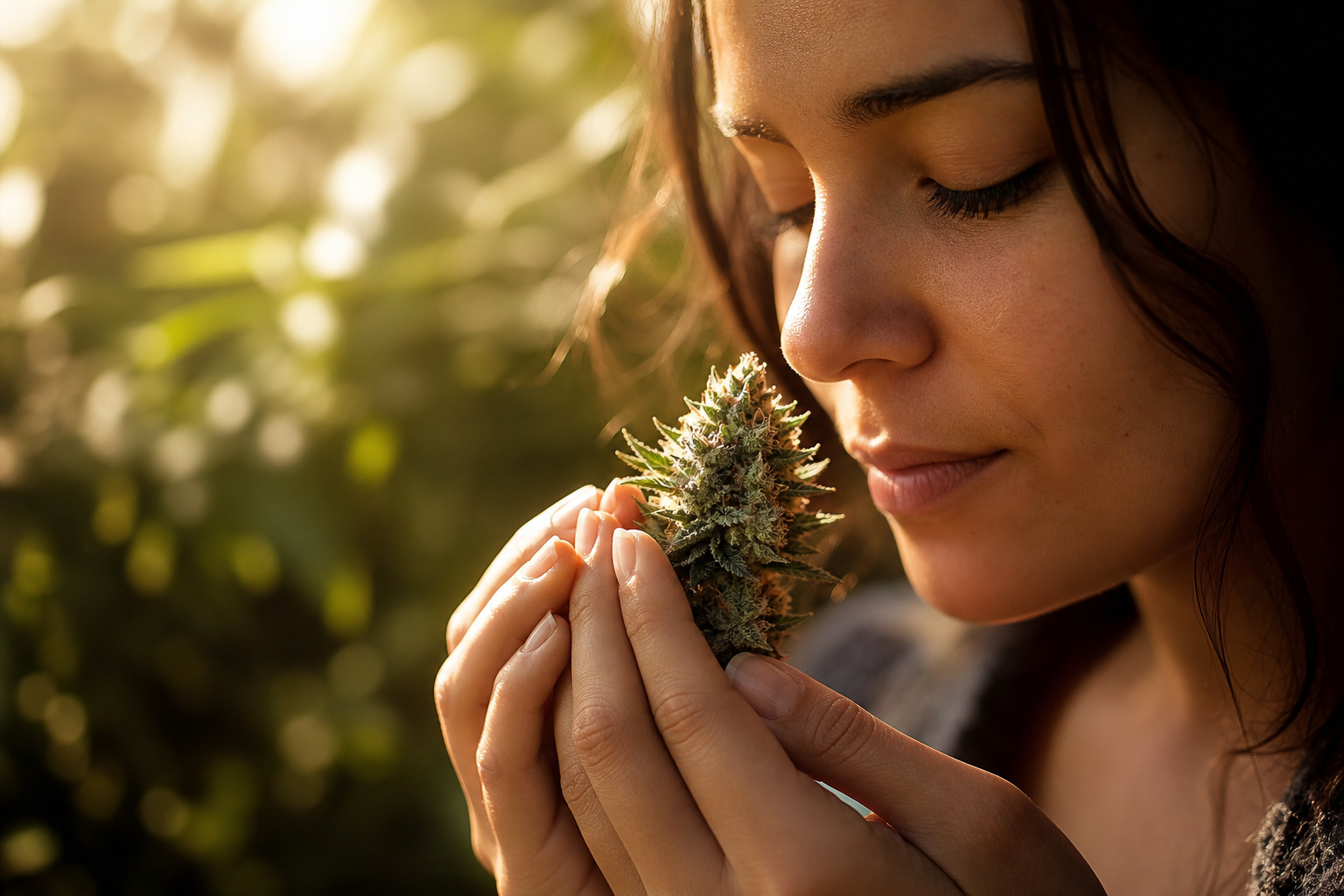
The Nose Knows #
If a Michigan dispensary lets you smell flower before buying — many Detroit-area counters still do when the jar is open for nose-shopping — use it:
- Earthy/musky = myrcene dominant → expect relaxation
- Citrus/lemon = limonene dominant → expect uplift
- Peppery/spicy = BCP dominant → expect anti-inflammatory action
- Pine/sharp = pinene dominant → expect mental clarity
- Floral/lavender = linalool dominant → expect calm
Read the Lab Results #
In Michigan, licensed labs may run terpene analysis under Cannabis Regulatory Agency (CRA) testing rules (R 420.305) — it's optional, not a required safety test, so not every Certificate of Analysis (COA) or label will list a full terpene panel. When a Michigan COA does include terpenes, treat that as shopping data: total terpenes above 2% often point to terpene-rich flower; below 1% can suggest degradation from poor storage, old stock, or suboptimal growing. Ask your Detroit-area budtender for the COA if the jar only shows THC and CBD.
Ignore Indica/Sativa Labels #
These labels describe plant structure, not chemistry. Two "indicas" can have completely different terpene profiles and produce completely different effects. Terpene data is the actual predictor of experience.
FAQ: Terpenes in Cannabis #
Q: What are terpenes? #
A: Terpenes are volatile aromatic compounds produced by cannabis and many other plants. They create the distinct smells and flavors of different cannabis strains and directly influence their therapeutic effects through interaction with receptors in the body.
Q: Do terpenes get you high? #
A: Terpenes alone don't produce a cannabis "high" — that's THC's job. However, terpenes modulate and shape the quality of the high. Myrcene makes it more sedating; limonene makes it more uplifting; pinene keeps it clear-headed.
Q: Which terpene is most relaxing? #
A: Myrcene is the most sedating terpene, responsible for the heavy, body-relaxing effect associated with many cannabis strains. Linalool (lavender terpene) adds calming, anxiety-reducing properties on top of physical relaxation.
Q: Can terpenes reduce anxiety? #
A: Yes. Limonene and linalool both demonstrate anxiolytic (anti-anxiety) properties in research. Strains rich in these terpenes tend to reduce anxiety, while strains high in THC with low terpene diversity may increase it.
Q: What terpene is best for pain? #
A: Beta-caryophyllene is the most effective terpene for pain because it directly activates CB2 receptors, reducing inflammation at the source. Combined with myrcene (muscle relaxation) and linalool (analgesic), the effect is compounded.
Q: Why does sun-grown cannabis have more terpenes? #
A: Terpenes are partly a stress response — UV radiation, temperature swings, and environmental challenges push the plant to produce more and more diverse aromatic compounds. Sun-grown cannabis routinely shows 30+ terpene compounds versus 10-15 in indoor grows.
Q: Are terpenes safe? #
A: Yes. Terpenes are found in thousands of plants, fruits, and herbs that humans consume daily. They're Generally Recognized As Safe (GRAS) by the FDA. You encounter terpenes every time you smell a lemon, walk through a pine forest, or cook with herbs.
Q: How should I store cannabis to preserve terpenes? #
A: Store flower in airtight glass jars in a cool, dark place (60-70°F). Terpenes are volatile — they evaporate with heat, light, and air exposure. Avoid plastic bags (static strips trichomes) and excessive handling.
Q: Are terpenes required on Michigan cannabis labels? #
A: Under CRA rules, a laboratory may perform terpene analysis with an agency-approved method, but terpene testing is not a mandatory safety test. Some Michigan products and COAs list terpene profiles; others don't. When shopping in Detroit or elsewhere in the state, ask for the COA and look for a terpene panel when you want chemistry-based guidance beyond THC percentage.
The nose knows. Trust it — especially when you're sorting a Michigan menu by smell, not just by THC.
Go deeper: The Endocannabinoid System Explained → · Sun-Grown vs. Indoor Weed →
Grown in Detroit. Shipped to your door.
Small-batch, sun-grown cannabis cultivated in living soil. Mail-order shipping to all 50 states.