Why Detroit Deserves Better Weed: A Case for Clean Cannabis in the City
Detroit's dispensaries are booming. But most of the flower on those shelves was grown with pesticides, under artificial lights, by companies that have never set foot in the city. We can do better.
Questions this article answers
- where to buy organic cannabis in Detroit
- is Detroit dispensary weed clean
- why does cannabis quality matter

Head Cultivator
On this page
Detroit has over 80 licensed dispensaries. The city is flush with cannabis options. But here's the question nobody's asking loud enough: what's actually in that weed?
Most cannabis sold in Michigan is grown indoors, under artificial lights, in commercial facilities that rely on synthetic nutrients and pesticide regimens to maintain yield. It passes lab testing — it meets the legal minimums. But "legal" and "clean" aren't the same thing.
At Divine Toke, a sun-grown organic cannabis farm rooted right here in Detroit, we believe this city — a city that bore the brunt of cannabis prohibition — deserves better than the minimum. Here's why.
The Quality Gap in Detroit's Cannabis Market #
Walk into most Detroit dispensaries and you'll find shelves full of flower. The THC percentages are high. The packaging is pretty. But behind the labels:
- Most flower is indoor-grown using synthetic fertilizers and growth regulators
- Pesticide use is standard practice in commercial indoor grows — it passes testing thresholds, but residues exist
- Terpene profiles are narrow — controlled environments produce less diverse aromatic compounds
- Much of the product is grown outside Detroit by operators with no connection to the city
None of this is illegal. All of it is avoidable.
What "Clean" Cannabis Actually Means #
Clean cannabis isn't a marketing term — it's a specific set of growing practices:
| Clean Practice | What It Means | Why It Matters |
|---|---|---|
| No synthetic pesticides | Zero chemical pest control during the grow cycle | Eliminates residue that accumulates with daily consumption |
| No synthetic fertilizers | Nutrition comes from living soil, compost, and cover crops | Produces more complex flavor and cannabinoid profiles |
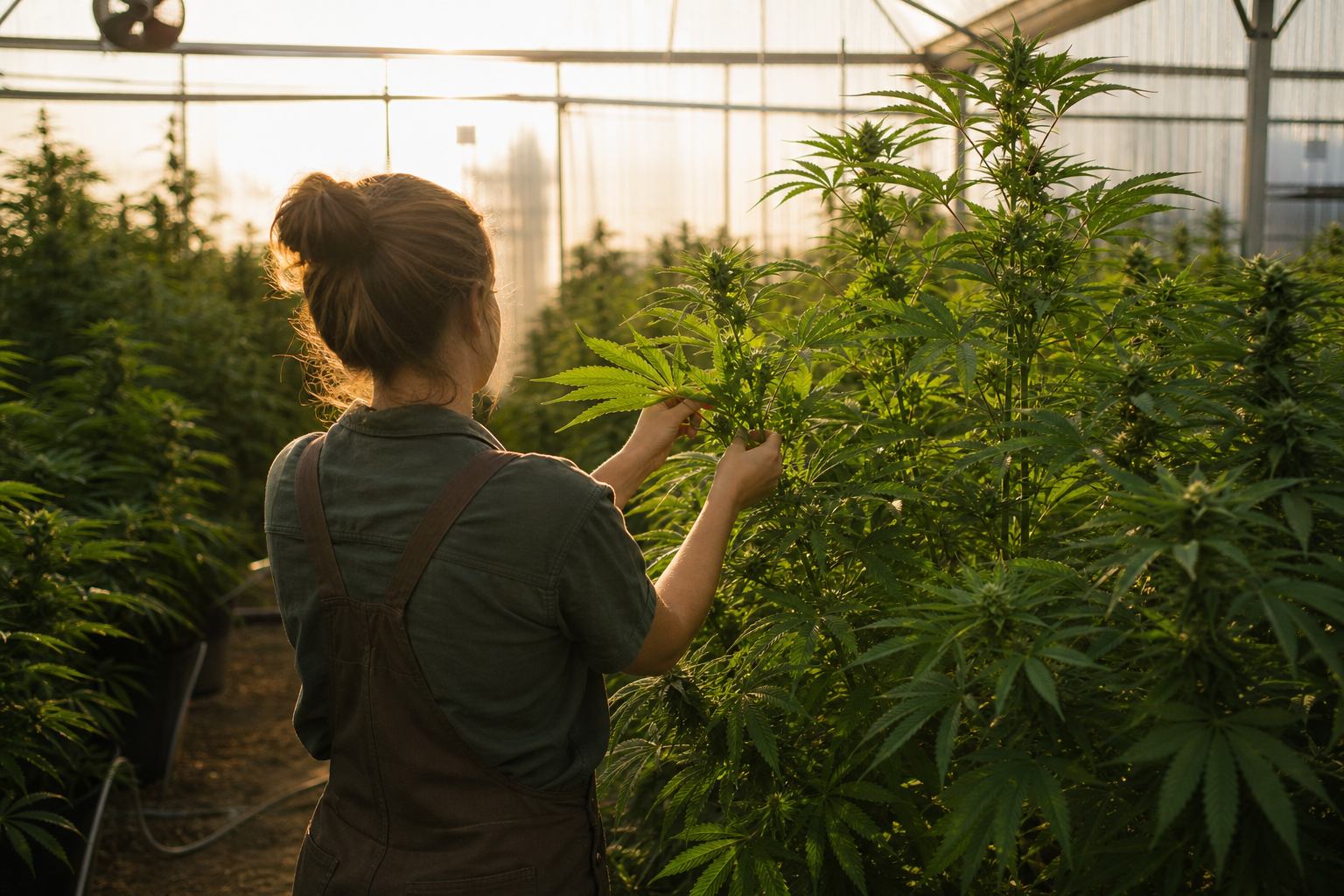
| Sun-grown | Cultivated under natural sunlight, not artificial bulbs | Full-spectrum UV triggers richer terpene production |
| Living soil | Soil ecosystem of microorganisms, fungi, and beneficial bacteria | Creates a self-sustaining nutrient cycle — the way plants evolved to grow |
| No growth regulators | No PGRs (plant growth regulators) to artificially bulk up buds | PGRs are linked to health concerns and produce dense, flavorless flower |
Why This Matters in Detroit Specifically #
The Community Health Argument #
Detroit is a city with significant health disparities. Rates of asthma, COPD, and respiratory illness are elevated. Many cannabis consumers in Detroit use the plant for medical purposes — pain, anxiety, sleep, appetite.
When a medical user consumes cannabis daily, residual pesticides and synthetic compounds accumulate. Clean cannabis isn't a luxury preference — it's a health necessity for people who use it consistently.
The Economic Justice Argument #
Detroiters waited decades for cannabis legalization. Many community members carry the scars of the War on Drugs — lost family members, criminal records, economic displacement. When legalization finally arrived, the market was flooded with product from outside operators growing cheap, fast, and synthetic.
Detroit deserves cannabis grown in Detroit, by Detroit, for Detroit — flower that reflects the values of the community it serves.
The Environmental Argument #
Indoor cannabis cultivation is one of the most energy-intensive agricultural practices in existence. A single indoor grow facility can consume as much electricity as a small factory. Sun-grown cannabis, by contrast:
- Uses zero artificial lighting — the sun is free
- Sequesters carbon through healthy soil ecosystems
- Produces less waste from disposable growing media
- Operates within natural seasonal cycles rather than fighting them
How to Find Clean Cannabis in Detroit #
Questions to Ask Your Budtender #
- "Where was this grown?" — Local is better. The closer to Detroit, the more accountable the grower.
- "Is it organic or sun-grown?" — Michigan doesn't have an official "organic cannabis" certification (USDA doesn't cover cannabis), but growers who practice organic methods will know their process inside-out.
- "Can I see the full lab results?" — Not just THC/CBD — look for the pesticide panel, heavy metals, and mycotoxin results.
- "Are there terpene test results?" — If the answer is no, the grower probably isn't tracking quality at that level.
Red Flags to Watch For #
- Extremely dense, unnaturally round buds — may indicate PGR use
- No smell — terpene-stripped flower from poor growing or old stock
- Suspiciously low prices — quality cannabis costs real money to produce
- No lab results available — every licensed product must have them; if the budtender can't show you, walk
FAQ: Clean Cannabis in Detroit #
Q: Is all dispensary cannabis in Detroit tested for pesticides? #
A: Yes. Michigan's Cannabis Regulatory Agency requires testing for pesticides, heavy metals, microbials, and mycotoxins. However, testing checks for residue levels below legal thresholds — it doesn't mean zero pesticides were used. Only growers who don't use synthetic pesticides at all can claim truly clean flower.
Q: What does "sun-grown" cannabis mean? #
A: Sun-grown cannabis is cultivated outdoors or in greenhouses under natural sunlight rather than artificial grow lights. This produces more diverse terpene profiles (30+ compounds vs. 10-15 indoors) and has a dramatically smaller environmental footprint.
Q: Is organic cannabis available in Michigan? #
A: The USDA does not certify cannabis as organic (it's still federally classified). However, certifications like Sun+Earth verify that cannabis is grown using organic, regenerative, and fair labor practices. Look for growers who voluntarily follow organic standards.
Q: Why is indoor cannabis more common than outdoor? #
A: Indoor grows offer year-round production and controlled conditions, which appeals to large-scale commercial operators focused on consistency and volume. However, this comes at the cost of terpene diversity, environmental impact, and reliance on synthetic inputs.
Q: Does clean cannabis cost more? #
A: Often slightly, yes — organic growing practices are more labor-intensive and yield less per square foot than industrial indoor methods. But the price difference reflects real quality differences: richer terpenes, zero pesticide residues, and a smaller environmental footprint.
Q: Can I grow my own clean cannabis in Detroit? #
A: Yes. Michigan law allows adults 21+ to grow up to 12 cannabis plants at home for personal use. Growing your own in organic soil under sunlight is the ultimate clean cannabis experience. Start with good genetics and healthy living soil.
Q: What is Sun+Earth certification? #
A: Sun+Earth Certified is a third-party certification verifying that cannabis is grown outdoors in living soil, using regenerative organic farming methods, with fair labor practices. It's the closest equivalent to USDA organic for cannabis.
Q: Why does Divine Toke grow in Detroit? #
A: We grow in Detroit because this is our community. We believe the city that paid the highest price during cannabis prohibition should benefit the most from legalization — through local jobs, local tax revenue, and access to genuinely clean cannabis grown by people who live here.
Detroit doesn't just deserve legal weed. It deserves the best weed.
Learn about our growing process: The Regenerative Process → · Living Dirt →
Grown in Detroit. Shipped to your door.
Small-batch, sun-grown cannabis cultivated in living soil. Mail-order shipping to all 50 states.