Your Gut Has Its Own Weed System: How Cannabis Supports Digestion, Crohn's, and IBS
Your gut is loaded with cannabinoid receptors. Learn how cannabis may support digestion, ease Crohn's and IBS symptoms, and calm your gut-brain axis naturally.

Head Cultivator
On this page
Here's something most people don't know: your gut is packed with the same receptors that cannabis talks to.
We're not just talking about munchies. Your digestive system runs on something called the endocannabinoid system (ECS) — a network of receptors and natural chemicals your body makes all on its own. This system helps control how fast food moves through you, how much inflammation happens in your intestines, how your gut talks to your brain, and even how hungry you feel.
When that system is out of balance, things go sideways. Cramps. Bloating. Inflammation. Conditions like Crohn's disease and IBS can make daily life genuinely miserable. And for a lot of folks, the standard prescriptions either don't work well enough or come with side effects that create new problems.
That's where cannabis comes in — not as a miracle cure, but as a plant that speaks the same language your gut already understands.
At Divine Toke, we believe the best medicine comes from clean dirt and real sunshine. This guide is written for Metro Detroit and Michigan readers who are already juggling GI symptoms with real life — shift work, stress, and the usual clinic appointments — and want plain facts, not miracle claims. We'll walk through how cannabis interacts with your digestive system, what the research actually says about conditions like Crohn's and IBS, how Michigan medical access and dispensary labels fit in, and why flower quality matters when your gut is on the line.
Table of Contents #
- Your Gut's Built-In Cannabis System
- CB1 and CB2 Receptors: The Gut's Control Panel
- The Gut-Brain Axis: Why Your Belly and Brain Are Best Friends
- Cannabis and Crohn's Disease: What the Studies Say
- IBS and Cannabis: Managing the Unpredictable
- Gut Inflammation: How Cannabinoids Calm the Fire
- Your Gut Microbiome and the Endocannabinoid Connection
- Leaky Gut and Intestinal Permeability
- Terpenes That Love Your Gut
- Why Organic, Clean Cannabis Matters for Gut Patients
- Best Delivery Methods for Digestive Wellness
- Nausea, Appetite, and the Basics
- FAQ: Cannabis and Gut Health
- Final Thoughts & What to Try
Your Gut's Built-In Cannabis System #
Before we talk about the plant, let's talk about your body.
Your body makes its own cannabinoids. They're called endocannabinoids — "endo" just means "inside." The two main ones are anandamide (sometimes called the "bliss molecule") and 2-AG. These natural compounds bind to cannabinoid receptors throughout your body, and your digestive tract is absolutely loaded with them.
This isn't some fringe theory. The endocannabinoid system was discovered in the early 1990s by researchers studying how THC works. What they found was a massive regulatory system that helps keep your body in balance — a state scientists call homeostasis.
In your gut specifically, the ECS helps regulate:
- Motility — how fast or slow food moves through your intestines
- Secretion — the fluids your gut produces to digest food
- Inflammation — your immune system's response to irritants and pathogens
- Visceral sensitivity — how much pain you feel from your internal organs
- Gut barrier function — keeping the intestinal lining sealed and healthy
When this system works well, you don't think about it. When it doesn't, you think about it constantly.
CB1 and CB2 Receptors: The Gut's Control Panel #
Your gut has two main types of cannabinoid receptors, and they do very different jobs.
CB1 Receptors #
CB1 receptors are spread throughout your enteric nervous system — the "second brain" that runs your digestive tract independently from your actual brain. These receptors help control:
- Gut motility: When CB1 receptors are activated, they tend to slow down intestinal contractions. This is why cannabis can help with diarrhea-predominant conditions but might cause constipation in some people.
- Acid secretion: CB1 activation can reduce stomach acid production, which may help with acid reflux and gastritis.
- Pain signaling: These receptors help dial down the visceral pain signals that make gut conditions so uncomfortable.
THC binds directly to CB1 receptors, which is one reason it's effective for gut-related pain and cramping.
CB2 Receptors #
CB2 receptors are found primarily on immune cells in your gut, and they're the inflammation fighters. When activated, CB2 receptors:
- Reduce inflammatory cytokines — the chemical messengers that drive intestinal inflammation
- Modulate immune response — helping calm an overactive immune system (which is exactly what goes wrong in Crohn's disease)
- Support tissue repair — helping damaged intestinal lining heal
CBD has a complex relationship with CB2 receptors. It doesn't bind directly the way THC does with CB1, but it influences them indirectly and enhances your body's own endocannabinoid activity.
This is why researchers believe a full-spectrum approach — using the whole plant with both THC and CBD, plus terpenes — may offer the most complete gut support.
The Gut-Brain Axis: Why Your Belly and Brain Are Best Friends #
Ever had a "gut feeling"? That's not just a figure of speech.
Your gut and your brain are connected by the vagus nerve — a massive communication highway that runs from your brainstem all the way down to your abdomen. This connection is called the gut-brain axis, and it's a two-way street.
When you're stressed, your brain sends alarm signals down to your gut. That's why anxiety can give you stomach cramps, diarrhea, or make you lose your appetite entirely. But it works the other way too — an inflamed, irritated gut sends distress signals up to your brain, which can trigger anxiety, depression, and brain fog.
Here's where cannabis gets interesting: the endocannabinoid system operates on both ends of the gut-brain axis.
Cannabis can:
- Calm the brain's stress response, reducing the anxiety signals that trigger gut flare-ups
- Soothe gut inflammation directly, reducing the distress signals sent back up to the brain
- Modulate vagal tone, helping the communication between brain and gut stay balanced
For people with chronic gut conditions, this dual action is significant. It's not just treating the symptom in your belly — it's addressing the stress loop that keeps making things worse.
Many IBS patients report that their worst flare-ups happen during periods of high stress. Cannabis may help break that cycle by working on both sides of the conversation simultaneously.
Cannabis and Crohn's Disease: What the Studies Say #
Crohn's disease is an inflammatory bowel disease (IBD) where the immune system attacks the lining of the digestive tract. It causes severe abdominal pain, persistent diarrhea, fatigue, weight loss, and malnutrition. Standard treatments include immunosuppressants, steroids, and biologics — powerful drugs with serious side effects.
Cannabis research in Crohn's is some of the most promising in the entire digestive space. Here's what the clinical evidence shows:
The Israeli THC Study (Naftali et al.) #
One of the most-cited studies came from Tel Aviv. Researchers gave Crohn's patients either cannabis cigarettes containing THC or placebo cigarettes. The results:
- 45% of the cannabis group achieved complete clinical remission (compared to 10% in the placebo group)
- 90% of the cannabis group saw significant symptom improvement
- Patients reported less pain, better appetite, and improved sleep
- Side effects were mild — no serious adverse events
The catch? While patients felt dramatically better and their symptom scores dropped, the study didn't show significant improvement in objective inflammatory markers (like CRP levels). This means cannabis may be excellent at managing symptoms even if it's not directly healing the underlying inflammation in the same way biologics do.
CBD-Specific Research #
Studies looking at CBD alone for Crohn's have shown more mixed results. A 2017 trial using CBD without THC didn't show significant benefit over placebo for inducing remission. This supports the idea that THC plays a critical role in gut symptom management, and that full-spectrum cannabis (containing both THC, CBD, and terpenes) likely works better than isolated CBD.
What Patients Report #
Survey data consistently shows that Crohn's patients who use cannabis report:
- Significant reduction in abdominal pain
- Fewer daily bowel movements
- Improved appetite and weight stabilization
- Better sleep quality
- Reduced use of other medications (including steroids and opioids)
- Improved overall quality of life
The research is still evolving, but the patient experience is hard to ignore.
Michigan medical access for GI conditions #
In Michigan, a medical marihuana card still starts with a physician — not a blog post and not a budtender. Per the Michigan CRA eligible-conditions FAQ, Crohn's disease, colitis, inflammatory bowel disease, and ulcerative colitis are named debilitating medical conditions. IBS is not named on that list. Some patients pursue certification under chronic pain, severe and chronic pain, or severe nausea when a clinician documents those symptoms under the program rules — that is a doctor-led call, not a DIY checkbox. A card is an access tool inside a care plan; it does not mean cannabis replaces biologics, steroids, or gastroenterology follow-up. Michigan CRA marketing rules also bar health-benefit claims on cannabis advertising and packaging unless FDA-qualified (Mich. Admin. Code R 420.507) — which is why this guide stays educational and doctor-first.
IBS and Cannabis: Managing the Unpredictable #
Irritable Bowel Syndrome affects an estimated 10-15% of the global population. Unlike Crohn's, IBS doesn't cause visible inflammation or damage — but the symptoms (cramping, bloating, diarrhea, constipation, and pain) are very real and often debilitating.
IBS is particularly tricky because it's closely tied to the gut-brain axis. Stress, anxiety, and emotional upheaval can trigger or worsen symptoms, creating a frustrating feedback loop.
How Cannabis May Help IBS #
Current research points to several mechanisms:
Visceral Pain Reduction CB1 receptor activation in the gut can reduce the heightened pain sensitivity (visceral hypersensitivity) that characterizes IBS. Many IBS patients feel pain from normal digestive processes that healthy people don't notice. Cannabis may help recalibrate that pain threshold.
Motility Regulation For IBS-D (diarrhea-predominant), cannabis's ability to slow gut motility through CB1 activation can be genuinely helpful. For IBS-C (constipation-predominant), the picture is more complex — some patients report improvement, while others find cannabis makes constipation worse.
Stress Circuit Interruption Since stress is a primary trigger for IBS flare-ups, cannabis's anxiolytic (anti-anxiety) properties can help break the stress-symptom cycle. By calming the brain side of the gut-brain axis, cannabis may prevent flare-ups before they start.
Inflammation Modulation While IBS isn't technically an inflammatory condition, emerging research suggests that low-grade inflammation and immune activation in the gut may play a role. CB2 receptor modulation may help address this subtle inflammatory component.
Important Caveats #
- Clinical trial evidence specifically for cannabis and IBS remains limited as of 2025
- Individual responses vary widely — what works for one person may not work for another
- THC can sometimes worsen anxiety in sensitive individuals, which could paradoxically trigger IBS symptoms
- Start low, go slow, and pay attention to your body's response
Gut Inflammation: How Cannabinoids Calm the Fire #
Chronic gut inflammation is at the root of conditions like Crohn's disease, ulcerative colitis, and may contribute to IBS and other functional disorders. Understanding how cannabinoids address inflammation helps explain why so many patients find relief.
The Inflammatory Cascade #
When your gut detects a threat (real or perceived), your immune system launches an inflammatory response. In healthy people, this response resolves itself. In IBD patients, the immune system stays stuck in attack mode, continuously damaging the intestinal lining.
Key inflammatory players include:
- TNF-alpha — a powerful pro-inflammatory cytokine that drives tissue damage
- Interleukin-6 and IL-1β — messengers that amplify the inflammatory response
- NF-κB — a protein complex that acts as a master switch for inflammation
How Cannabinoids Respond #
Research shows that cannabinoids can intervene at multiple points in this cascade:
- CBD has been shown to reduce TNF-alpha and other pro-inflammatory cytokines in laboratory and animal studies
- THC activates CB2 receptors on gut immune cells, helping to modulate the overactive immune response
- Beta-caryophyllene (a terpene found in cannabis, as well as black pepper and cloves) directly activates CB2 receptors and has demonstrated potent anti-inflammatory effects in the gut
- The entourage effect — the combined action of multiple cannabinoids and terpenes working together — may provide more comprehensive anti-inflammatory support than any single compound
This is why at Divine Toke, we believe in whole-plant, sun-grown flower. When you use the full plant, you get the full toolkit.
Your Gut Microbiome and the Endocannabinoid Connection #
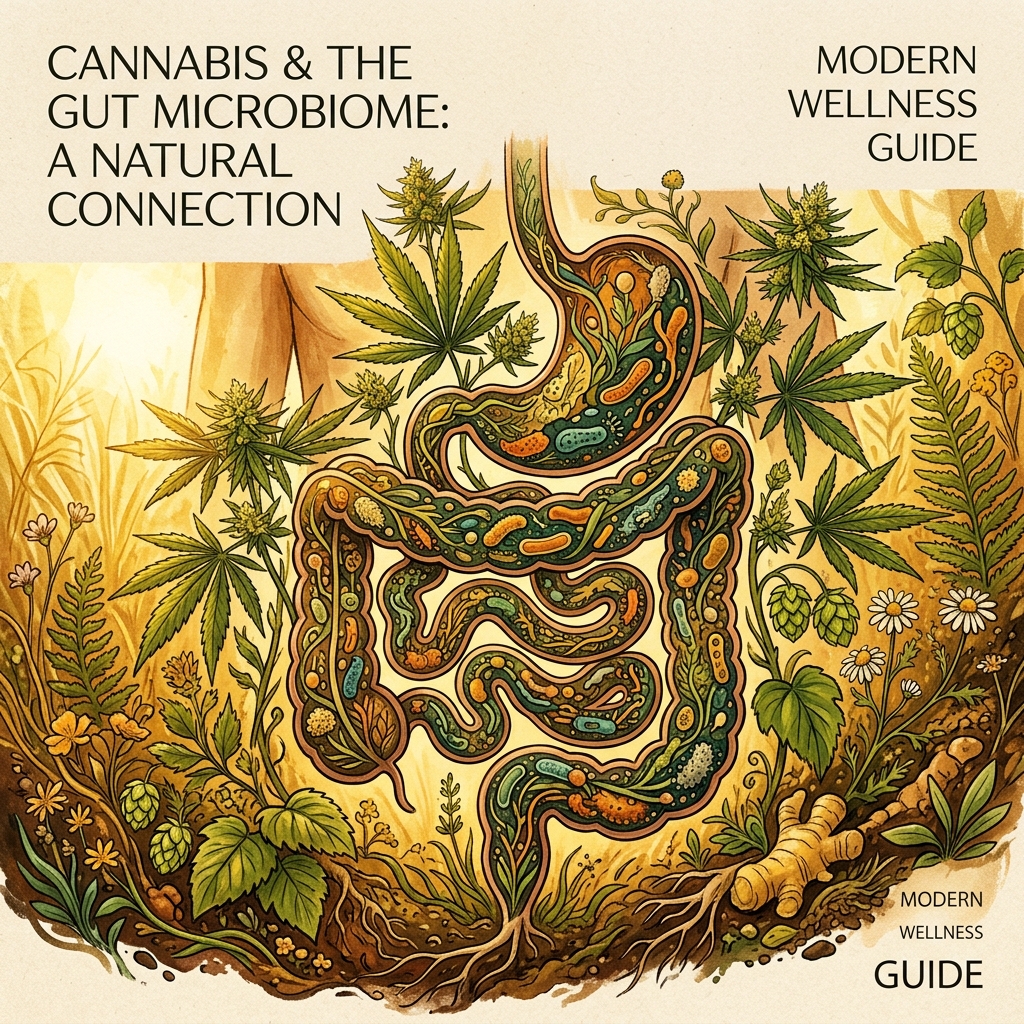
One of the most exciting areas of current research is the relationship between your gut microbiome — the trillions of bacteria living in your intestines — and your endocannabinoid system.
A Two-Way Conversation #
Your gut bacteria and your ECS are in constant communication:
- Your microbiome influences your ECS: Certain gut bacteria can stimulate or suppress endocannabinoid production. A healthy, diverse microbiome tends to support robust endocannabinoid tone. An unhealthy, imbalanced microbiome (dysbiosis) is associated with reduced endocannabinoid activity.
- Your ECS influences your microbiome: Endocannabinoid signaling affects the gut environment — pH, motility, immune activity — which in turn shapes which bacteria thrive and which don't.
What This Means for Cannabis Users #
When you introduce plant-derived cannabinoids (phytocannabinoids) through cannabis, you're potentially influencing this microbiome-ECS conversation. Early research suggests that cannabinoids may:
- Help restore endocannabinoid tone in people with dysbiosis
- Reduce the gut inflammation that disrupts healthy bacterial colonies
- Support the conditions that allow beneficial bacteria to flourish
This research is still in its early stages, but it points to cannabis as a tool that works with your gut ecosystem rather than against it — unlike antibiotics or harsh pharmaceuticals that can devastate your microbiome.
Supporting Your Microbiome Alongside Cannabis #
If you're using cannabis for gut health, consider pairing it with:
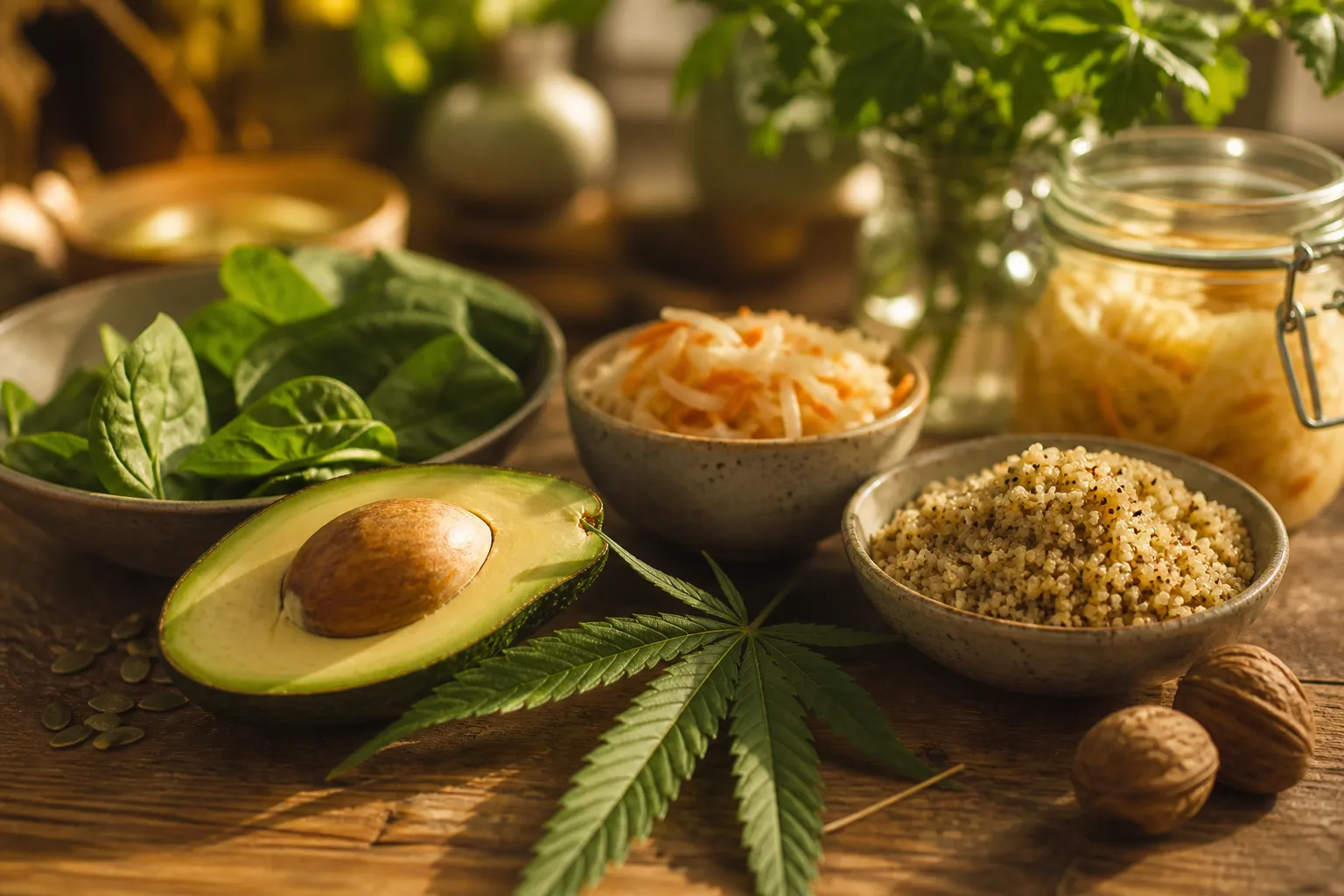
- Fermented foods like sauerkraut, kimchi, yogurt, and kefir
- Prebiotic fiber from garlic, onions, asparagus, and bananas
- Reducing processed foods and sugar that feed harmful bacteria
- Staying hydrated — your gut bacteria need water to thrive
Leaky Gut and Intestinal Permeability #
"Leaky gut" is a term that gets thrown around a lot, and while it's not a formal medical diagnosis, the underlying concept — increased intestinal permeability — is a real and well-studied phenomenon.
What's Actually Happening #
Your intestinal lining is a single layer of cells held together by structures called tight junctions. These junctions act like gatekeepers: they let nutrients through while keeping bacteria, toxins, and undigested food particles out of your bloodstream.
When tight junctions break down, the gut becomes "leaky." Unwanted molecules slip through into the bloodstream, triggering immune responses and systemic inflammation. This increased permeability has been linked to:
- Inflammatory bowel disease
- Celiac disease
- Food sensitivities
- Autoimmune conditions
- Chronic fatigue
The Endocannabinoid Role #
Research has shown that the endocannabinoid system plays a direct role in maintaining tight junction integrity. Specifically:
- Endocannabinoid deficiency is associated with increased intestinal permeability
- CB1 receptor activation can help restore tight junction protein expression
- CBD has shown protective effects on intestinal barrier function in laboratory studies
This is one of the more compelling theoretical frameworks for cannabis and gut health: by supporting your endocannabinoid system, you may be helping to maintain the structural integrity of your intestinal lining.
Terpenes That Love Your Gut #
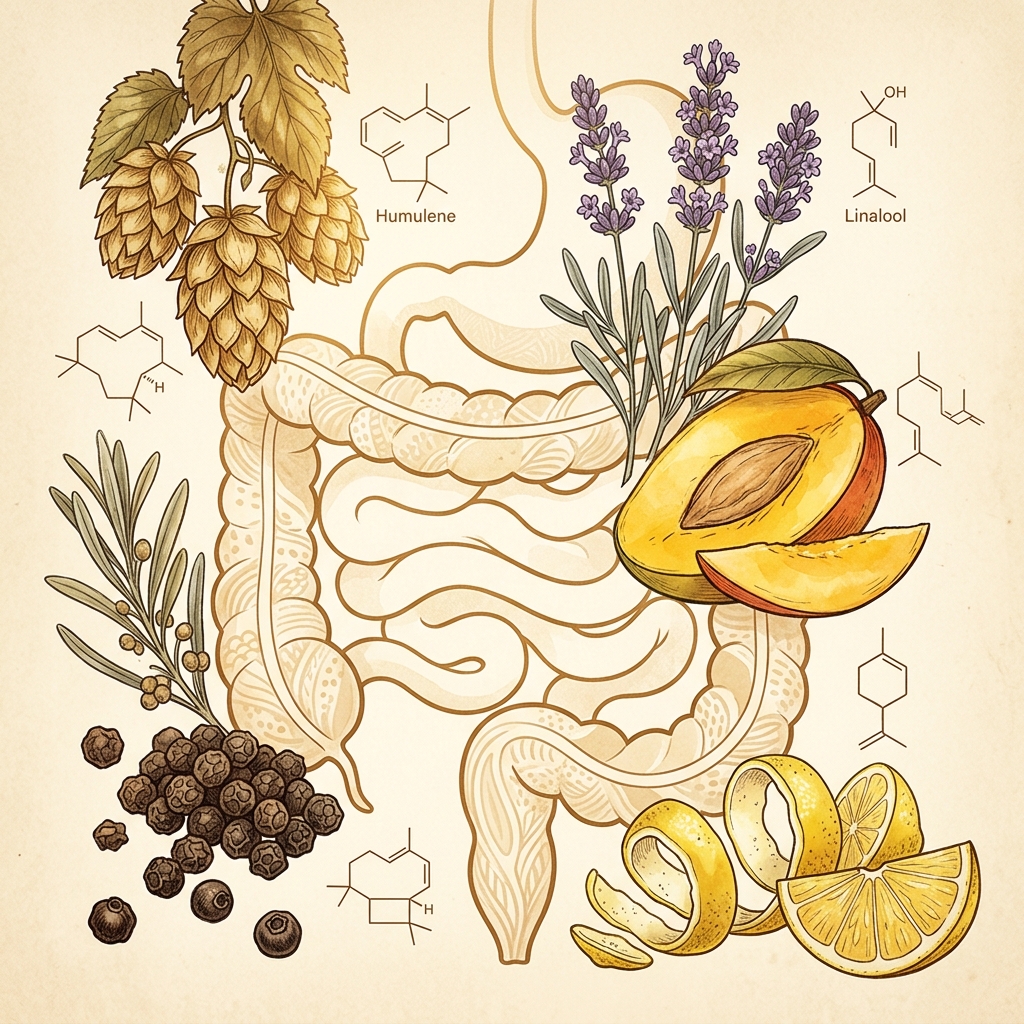
Cannabinoids get all the headlines, but terpenes — the aromatic compounds that give cannabis its smell and flavor — play a crucial supporting role in gut health. Here are the ones to look for:
Beta-Caryophyllene 🌶️ #
Found in: Black pepper, cloves, cinnamon, and many cannabis strains
Why it matters: Beta-caryophyllene is unique because it's the only terpene that directly binds to CB2 receptors. This gives it potent anti-inflammatory properties specifically in the gut. Studies have shown it can reduce intestinal inflammation and help protect the gut lining. Look for strains with peppery, spicy notes.
Myrcene 🥭 #
Found in: Mangoes, lemongrass, hops, and most indica-leaning strains
Why it matters: Myrcene has muscle-relaxing properties that can ease intestinal cramping and spasms. It also enhances the absorption of cannabinoids, potentially making THC and CBD more effective. If you're dealing with painful cramps, myrcene-rich strains are your friend.
Limonene 🍋 #
Found in: Citrus peels and many sativa-leaning strains
Why it matters: Limonene has demonstrated gastroprotective properties — it can help protect the stomach lining from acid damage. It also has mood-lifting effects that can help address the anxiety side of the gut-brain axis. Bright, citrusy strains often indicate high limonene content.
Humulene 🌿 #
Found in: Hops, sage, ginseng, and certain cannabis strains
Why it matters: Humulene has anti-inflammatory properties and may help suppress appetite — useful for patients whose gut conditions cause uncomfortable bloating after eating. It works synergistically with beta-caryophyllene.
Linalool 💜 #
Found in: Lavender and many purple-hued cannabis strains
Why it matters: Linalool is deeply calming and has demonstrated anti-inflammatory effects. For gut patients whose symptoms are worsened by stress, linalool-rich strains can help address both the physical and emotional dimensions of digestive distress.
Because Divine Toke grows under real Michigan sun in living soil, our flower develops rich, complex terpene profiles that indoor factory grows simply can't match. The sun pushes the plant to produce more of these protective compounds naturally.
Why Organic, Clean Cannabis Matters for Gut Patients #
This is where we get real — and it's something the cannabis industry doesn't talk about enough.
If you're using cannabis specifically to heal your gut, what's on that flower matters enormously.
The Contamination Problem #
Conventionally grown cannabis often contains:
- Pesticide residues that can irritate and inflame the gut lining
- Heavy metals absorbed from contaminated soil or cheap fertilizers
- Mycotoxins from mold — especially dangerous for immunocompromised patients
- Synthetic growth regulators that have unknown effects on gut health
For someone with a healthy gut, trace amounts of these contaminants might not cause noticeable problems. But for someone with Crohn's, IBS, or compromised intestinal permeability? You're introducing irritants directly into an already-damaged system. It's like putting sand in a wound.
Why Sun-Grown and Organic Changes Everything #
At Divine Toke, our commitment to Sun+Earth certified, organic, sun-grown cannabis isn't just marketing — it's medicine-grade intention:
- Zero pesticides means zero additional gut irritants
- Living soil produces flower with richer cannabinoid and terpene profiles
- No synthetic fertilizers means no chemical residues accumulating in resin glands
- Sun-grown means the plant works harder, producing more protective compounds naturally
When your gut is inflamed and your intestinal barrier is compromised, purity isn't a luxury. It's a necessity.
What to Look For #
If you're shopping for gut health specifically:
- Ask about growing methods — organic, sun-grown, living soil
- Request lab results — look for clean pesticide panels and heavy metal testing
- Check for certifications — Sun+Earth, Clean Green, or equivalent organic standards
- Smell the flower — rich, complex terpene aroma indicates healthy, well-grown cannabis
Shopping Michigan labels and COAs #
At a licensed Michigan dispensary, the sealed package is not optional reading. Under Mich. Admin. Code R 420.504, products sold at a sales location must show (among other fields) lab-reported THC and CBD concentrations, a note that actual values may vary by 10%, the lab that ran final-form testing, net weight, and required warnings. Treat that sticker as the legal summary. Ask for the batch Certificate of Analysis (COA) when you want pesticide/heavy-metal panels or a terpene breakdown — especially useful if you're hunting beta-caryophyllene or myrcene for digestive comfort. Detroit-area shoppers: if a jar only lists THC/CBD, that often means the outer label stopped at what the rule requires, not that the chemistry is simple. Adults 21+ can shop adult-use without a card; medical patients should still bring product labels to any GI or certifying visit so dosing talk stays grounded.
Best Delivery Methods for Digestive Wellness #
Not all ways of consuming cannabis are equal when it comes to gut health. Here's a breakdown:
Tinctures and Sublingual Oils ✅ (Often Best) #
Why: Absorbed under the tongue, bypassing the digestive system initially. This is ideal for patients whose guts are too inflamed or sensitive to handle edibles. Onset is relatively quick (15-30 minutes), dosing is precise, and it's gentle on the stomach.
Low-Temperature Vaporization ✅ (Good Option) #
Why: Fastest onset (minutes), allowing for quick relief during acute flare-ups. Avoids combustion byproducts. However, some patients with concurrent respiratory issues may want to avoid inhalation entirely.
Capsules and Soft Gels ✅ (Good for Maintenance) #
Why: Consistent dosing, easy to incorporate into a daily wellness routine. The cannabinoids pass through the digestive system, which means they interact directly with gut receptors. Onset is slower (1-2 hours) but effects last longer.
Edibles ⚠️ (Use Carefully) #
Why caution: Many commercial edibles contain sugar, artificial ingredients, and preservatives that can irritate sensitive guts. If you go the edible route, look for clean-ingredient products or make your own with organic cannabis butter. The digestive transit does mean cannabinoids interact directly with gut receptors, which can be beneficial.
Smoking 🔄 (Mixed) #
Why mixed: Smoking provides fast relief but introduces combustion byproducts. For occasional use during severe flare-ups, the rapid onset can be valuable. For daily maintenance, gentler methods are preferable.
Topicals ❌ (Not Effective for Gut) #
Why not: Topical creams and balms don't reach the digestive system. They're great for localized joint or muscle pain but won't help with internal gut issues.
Nausea, Appetite, and the Basics #
Two of the most well-established uses of cannabis — nausea relief and appetite stimulation — are directly relevant to gut health.
Nausea Management #
THC is a potent antiemetic (anti-nausea compound). In fact, synthetic THC (dronabinol/Marinol) has been FDA-approved for nausea since the 1980s. For gut patients dealing with:
- Crohn's-related nausea
- Medication side effects
- Post-surgical nausea
- Morning sickness (consult your doctor first)
Cannabis can provide relief that's often faster and more effective than many prescription anti-nausea drugs.
Appetite Regulation #
Chronic gut conditions often cause severe appetite loss, leading to malnutrition and weight loss. THC activates CB1 receptors in the hypothalamus, stimulating hunger signals. But it's more nuanced than just "the munchies":
- Low doses can gently restore normal appetite without the ravenous hunger associated with higher doses
- Certain terpenes (like myrcene) can complement THC's appetite effects
- CBD may help regulate appetite in a more balanced way, without the intense hunger spikes
For Crohn's patients who've lost significant weight, this appetite support can be genuinely life-changing.
FAQ: Cannabis and Gut Health #
Q: Can cannabis cure Crohn's disease or IBS? #
A: No. Cannabis is not a cure for any digestive condition. Clinical studies and patient reports show it can reduce symptoms — pain, cramping, diarrhea, nausea, appetite loss — for some people. Treat it as a management tool under medical care, not a cure. Michigan CRA rules (R 420.507) also bar deceptive health-benefit claims in cannabis marketing, which is why no product here is pitched as gut disease treatment.
Q: Can I get a Michigan medical card for gut issues? #
A: Sometimes — and the pathway depends on the diagnosis. The CRA eligible-conditions FAQ names Crohn's, colitis, IBD, and ulcerative colitis. IBS alone is not listed. Chronic pain and severe nausea pathways exist when a physician documents those symptoms. Start with your gastroenterologist or a certifying clinician; Metro Detroit and statewide Michigan adults 21+ can also shop adult-use without a card.
Q: Should I use THC or CBD for gut issues? #
A: Research suggests that full-spectrum cannabis containing both THC and CBD (plus terpenes) is more effective for gut health than either compound alone. The Israeli Crohn's study showed THC was critical for symptom relief, while CBD alone showed limited benefit. The whole plant working together appears to be the best approach.
Q: Will cannabis make my constipation worse? #
A: It's possible. THC slows gut motility through CB1 receptor activation, which helps diarrhea-predominant conditions but could worsen constipation. If you have IBS-C, start with very low doses and consider strains or products with higher CBD-to-THC ratios. Stay well-hydrated and maintain fiber intake.
Q: How much cannabis should I use for gut health? #
A: Start low and go slow. For most people, beginning with 2.5-5mg of THC (or a low-dose tincture) and gradually increasing is the safest approach. Gut conditions require consistent, moderate dosing rather than occasional high doses. Work with a cannabis-knowledgeable healthcare provider if possible.
Q: Is smoking cannabis bad for my gut? #
A: Smoking itself doesn't directly harm the gut the way it harms the lungs, but combustion byproducts aren't ideal for overall health. For daily gut maintenance, tinctures, vaporizers, or capsules are gentler options. Smoking can be useful for acute flare-ups when you need fast relief.
Q: Can cannabis interact with my IBD medications? #
A: Yes, cannabis can interact with certain medications, including immunosuppressants, steroids, and some biologics. CBD in particular can affect liver enzymes (cytochrome P450) that metabolize many drugs. Always discuss cannabis use with your gastroenterologist, especially if you're on prescription medications.
Q: Why does organic cannabis matter more for gut issues? #
A: When your gut lining is inflamed or compromised (as in Crohn's or leaky gut), it's more vulnerable to irritants. Pesticide residues, heavy metals, and synthetic chemicals found in conventionally grown cannabis can introduce additional inflammation into an already-damaged system. Organic, sun-grown flower eliminates this risk.
Q: How long does it take to see gut health improvements from cannabis? #
A: Acute symptoms like nausea, pain, and cramping often improve within minutes to hours. Broader improvements in inflammation, regularity, and overall gut function may take weeks of consistent, daily use. Give it at least 2-4 weeks of regular, low-dose use before evaluating whether it's working for you.
Q: Can I use cannabis alongside probiotics and dietary changes? #
A: Absolutely. Cannabis works best as one piece of a broader gut plan. Pair it with anti-inflammatory foods, probiotics, fermented foods, adequate hydration, stress management, and whatever dietary protocol your doctor recommends (such as a low-FODMAP diet for IBS).
Q: What strains are best for gut health? #
A: Look for strains with high beta-caryophyllene (peppery aroma), myrcene (earthy, mango-like), and limonene (citrusy). Balanced THC:CBD ratios tend to work well. At Divine Toke, our sun-grown flower naturally develops rich terpene profiles that support digestive wellness. Ask us about our current harvest — we're happy to point you toward the right fit.
Final Thoughts & What to Try #
Your gut is smarter than you think. It has its own nervous system, its own immune army, and its own cannabinoid network. When that network is out of balance — whether from stress, diet, genetics, or disease — things fall apart in ways that affect your entire life.
Cannabis doesn't replace good medical care. If you have Crohn's, IBS, or any serious digestive condition, keep working with your gastroenterologist — especially if you're a Michigan patient sorting medical-card paperwork or adult-use shopping. But as a complementary tool — one that speaks the same chemical language your gut already uses — it's worth a serious, informed conversation with a clinician who knows your history.
The key takeaways:
- Your gut is rich with cannabinoid receptors that regulate motility, inflammation, pain, and barrier function
- Full-spectrum cannabis (THC + CBD + terpenes) appears to work better than isolated compounds for gut health
- The gut-brain axis means cannabis can address both the physical and emotional dimensions of digestive distress
- Organic, clean cannabis is non-negotiable for gut patients — contaminants can worsen an already-compromised system
- Start low, go slow, and choose delivery methods that are gentle on your digestive system
☀️ Try It: Sun-Grown Flower for Gentle Relief #
If you're curious about using cannabis for digestive wellness, start with our organic, sun-grown pre-rolls or ask about our tincture options. Everything we grow is Sun+Earth certified, pesticide-free, and raised in living Michigan soil — exactly the kind of clean, whole-plant medicine your gut deserves.
This article is for educational purposes only and is not medical advice. Always consult your healthcare provider before starting any new wellness routine, especially if you have a diagnosed digestive condition or are currently taking medication.
Divine Toke is Detroit's premier sun-grown organic cannabis farm. Explore our Process Hub to learn more about how we grow.
Grown in Detroit. Shipped to your door.
Small-batch, sun-grown cannabis cultivated in living soil. Mail-order shipping to all 50 states.