What Are Cannabinoids? A Plain-English Guide to THC, CBD, and Beyond
THC gets you high. CBD doesn't. But there are over 100 cannabinoids in every plant. Here's what the big ones actually do — no lab coat required.
Questions this article answers
- what are cannabinoids
- how many cannabinoids are in cannabis
- what is the difference between THC and CBD
- what does CBG do
Head Cultivator
On this page
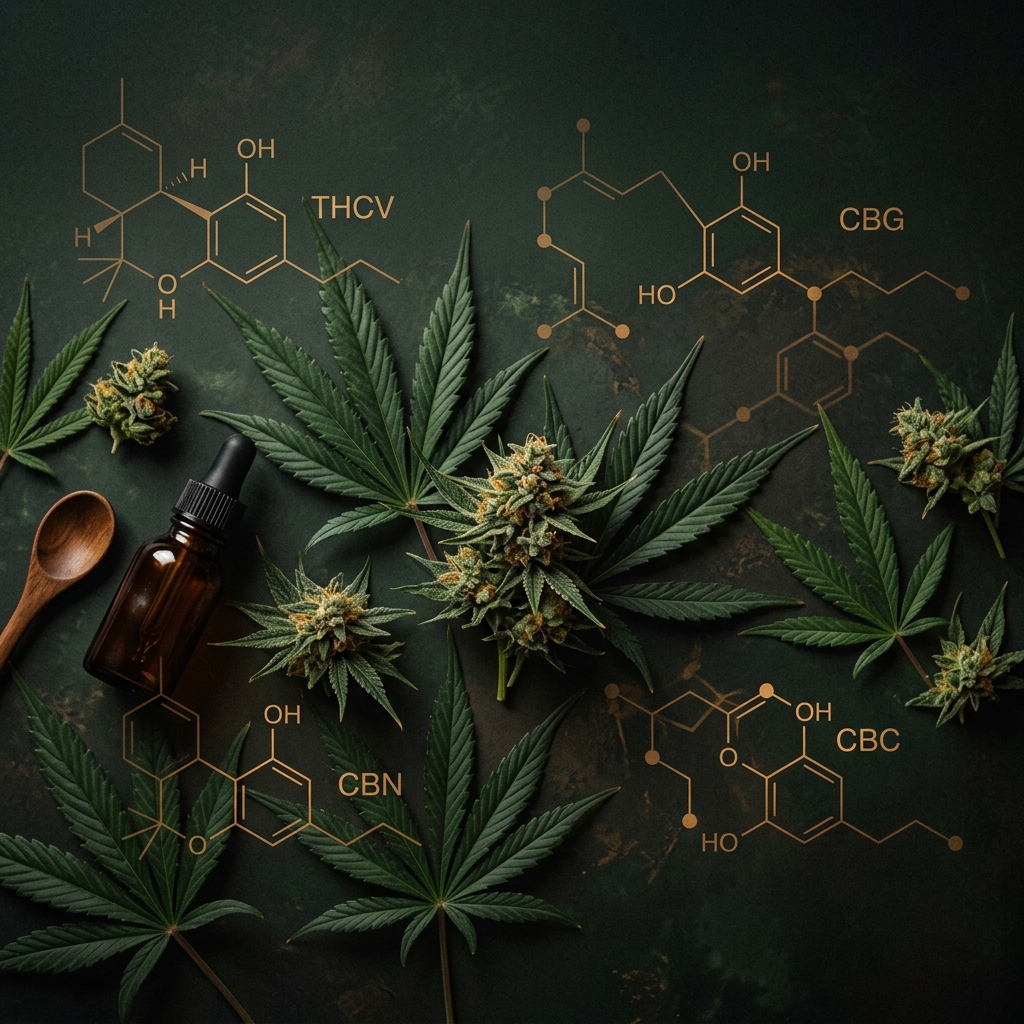
Cannabinoids are chemical compounds produced by the cannabis plant that interact with a network of receptors throughout your body called the endocannabinoid system (ECS). There are over 100 known cannabinoids, but most cannabis conversations focus on just two — THC and CBD. The other 98+ are doing important work that deserves attention.
Think of cannabinoids as keys, and your endocannabinoid system as a building full of different locks. Each cannabinoid opens different doors — some make you feel relaxed, some reduce inflammation, some help you sleep, and some do things scientists are still figuring out.
For Detroit shoppers reading a Michigan dispensary package, those same names — THC, CBD, and the minors — show up as lab-reported numbers on the label. Here's your no-jargon guide to the cannabinoids that matter most.
The Big Five Cannabinoids #
THC (Delta-9-Tetrahydrocannabinol) #
What it does: THC is the primary psychoactive compound in cannabis — it's what creates the "high." It binds to CB1 receptors concentrated in your brain and nervous system.
| Property | Detail |
|---|---|
| Primary effect | Euphoria, altered perception, relaxation |
| Medical uses | Pain relief, nausea reduction, appetite stimulation, sleep aid |
| Receptor | CB1 (brain, nervous system) |
| Psychoactive? | Yes |
| Found in | All cannabis strains (varying concentrations) |
What most people get wrong: THC percentage alone doesn't determine how a strain makes you feel. A 20% THC strain with a rich terpene profile often produces a better, more nuanced experience than a 30% THC strain with minimal terpenes. Chase quality, not numbers.
CBD (Cannabidiol) #
What it does: CBD is non-intoxicating — it won't get you high. It works primarily through 5-HT1A serotonin receptors and modulates CB1 receptors indirectly, which is why it can actually reduce the anxiety or paranoia that THC sometimes causes.
| Property | Detail |
|---|---|
| Primary effect | Anti-anxiety, anti-inflammatory, neuroprotective |
| Medical uses | Epilepsy (FDA-approved as Epidiolex), anxiety, inflammation, chronic pain |
| Receptor | 5-HT1A, TRPV1, indirect CB1/CB2 modulation |
| Psychoactive? | No |
| Found in | Hemp and cannabis (high-CBD strains specifically bred) |
Key fact: CBD is the only cannabinoid with an FDA-approved pharmaceutical application (Epidiolex for severe epilepsy). That's the strongest regulatory validation any cannabinoid has received.
CBG (Cannabigerol) #
What it does: CBG is called the "mother cannabinoid" because it's the chemical precursor to THC, CBD, and CBC. The plant produces CBG first, then enzymes convert it into other cannabinoids as the plant matures. CBG is non-intoxicating and shows strong anti-inflammatory potential.
| Property | Detail |
|---|---|
| Primary effect | Anti-inflammatory, antibacterial, neuroprotective |
| Medical uses | Inflammatory bowel disease, glaucoma, bacterial infections (early research) |
| Receptor | CB1 and CB2 partial agonist |
| Psychoactive? | No |
| Found in | Young cannabis plants (typically <1% in mature flower) |
Why it matters for gut health: CBG has shown particular promise in research on inflammatory bowel disease (IBD), reducing intestinal inflammation in preclinical studies. If you're dealing with gut issues, CBG-rich strains are worth exploring.
CBN (Cannabinol) #
What it does: CBN forms when THC oxidizes — essentially, it's what THC becomes as it ages. CBN is mildly psychoactive and is most studied for its potential sedative effects, though the science is still developing.
| Property | Detail |
|---|---|
| Primary effect | Mild sedation, relaxation |
| Medical uses | Sleep support, pain relief (especially combined with THC) |
| Receptor | CB1 (weak binding), CB2 |
| Psychoactive? | Mildly |
| Found in | Aged cannabis, specifically formulated products |
Practical tip: If you've ever noticed that older cannabis makes you sleepier than fresh flower, CBN is likely why. The THC has partially converted. Some brands now intentionally formulate CBN products for sleep.
THCV (Tetrahydrocannabivarin) #
What it does: THCV is structurally similar to THC but behaves very differently. At low doses, it actually blocks CB1 receptors (the opposite of what THC does), suppressing appetite rather than stimulating it. At higher doses, it activates CB1 and produces a clear, energetic, shorter-lasting high.
| Property | Detail |
|---|---|
| Primary effect | Appetite suppression (low dose), clear-headed energy (moderate dose) |
| Medical uses | Weight management, blood sugar regulation, anxiety (early research) |
| Receptor | CB1 antagonist (low dose), CB1 agonist (high dose) |
| Psychoactive? | Yes, at moderate-high doses |
| Found in | Certain African sativa landrace strains (Durban Poison, etc.) |
Why it's interesting: THCV is the anti-munchies cannabinoid. For people who want the benefits of cannabis without increased appetite, THCV-rich strains offer a unique option.
How Cannabinoids Work Together: The Entourage Effect #
No cannabinoid works best alone. The entourage effect is the scientifically supported idea that cannabinoids, terpenes, and flavonoids work synergistically — enhancing each other's effects and moderating side effects.
Key examples of synergy:
- CBD + THC: CBD reduces THC-related anxiety and paranoia while preserving pain relief
- CBN + THC: Together they produce stronger sedation than either alone
- CBG + CBD: Combined anti-inflammatory action is greater than individual effects
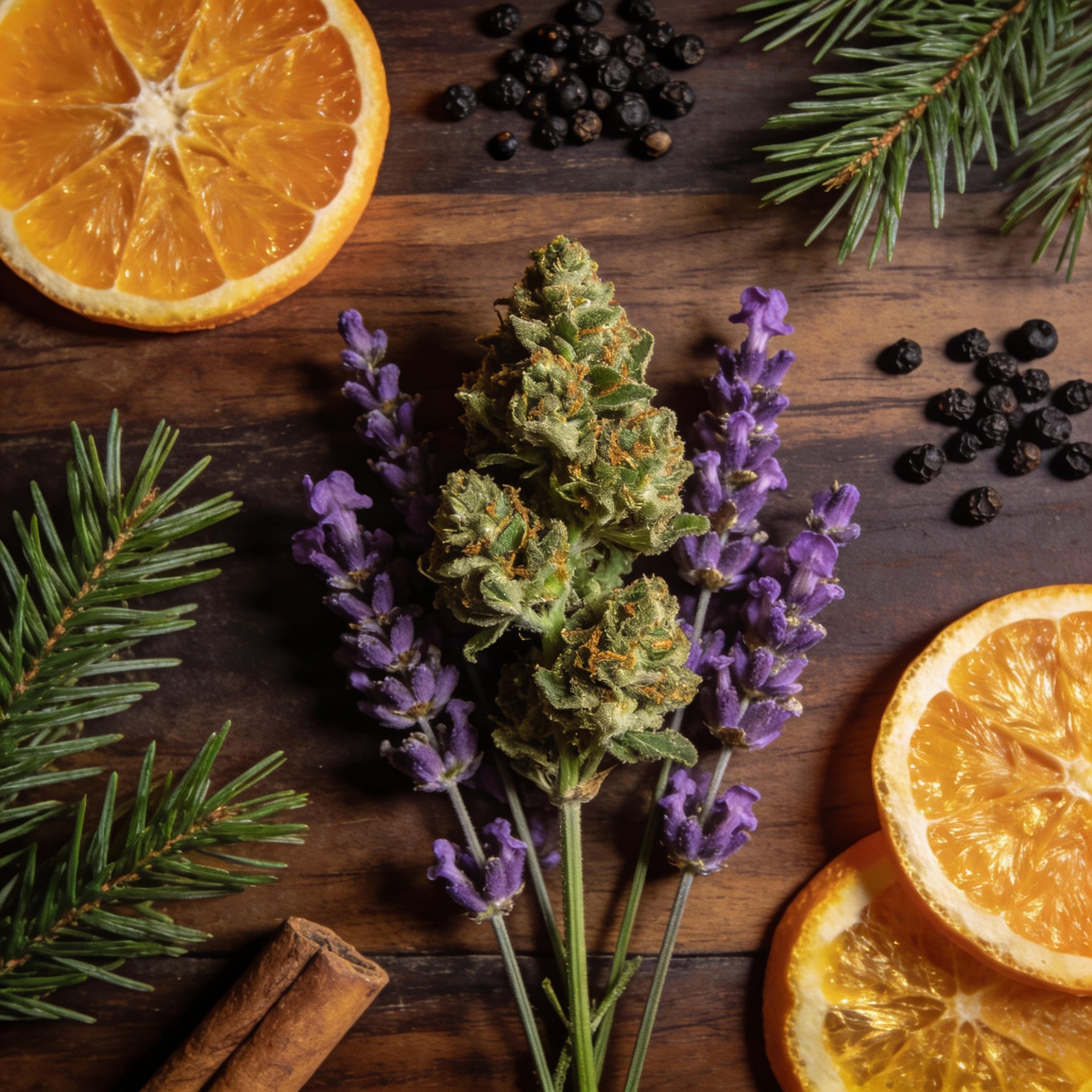
- Terpenes + cannabinoids: Beta-caryophyllene adds CB2 activation; myrcene enhances THC absorption
This is why full-spectrum cannabis (whole plant, all compounds intact) consistently outperforms isolated cannabinoids in clinical and anecdotal reports. The plant evolved these compounds to work as a team.
The Cannabinoid Comparison Table #
| Cannabinoid | Psychoactive? | Key Effect | Best For | Typical % in Flower |
|---|---|---|---|---|
| THC | Yes | Euphoria, pain relief | Pain, nausea, appetite, sleep | 15-30% |
| CBD | No | Anti-anxiety, anti-inflammatory | Anxiety, epilepsy, inflammation | 0.1-20% |
| CBG | No | Anti-inflammatory, antibacterial | Gut inflammation, glaucoma | <1% (up to 15% in CBG strains) |
| CBN | Mildly | Sedation | Sleep, relaxation | <1% (higher in aged flower) |
| THCV | At higher doses | Appetite suppression, energy | Weight management, focus | <1% (select strains) |
What to Look for on a Label #
When buying cannabis, the Certificate of Analysis (COA) breaks down the cannabinoid content. Here's how to read it:
- Total THC — includes THCA (which converts to THC when heated). This determines psychoactive intensity.
- Total CBD — includes CBDA. Determines anti-inflammatory and anti-anxiety potential.
- Minor cannabinoids — CBG, CBN, THCV, CBC. If the lab tests for them, a product with detectable minors likely has a more complex, effective profile.
- THC:CBD ratio — tells you the balance. 1:1 is balanced. 20:1 is THC-dominant. 1:20 is CBD-dominant.
Michigan retail labels (CRA R 420.504). Before a product hits a Michigan sales location, the sealed package must list, among other items: the cultivator/producer name and state license number, packager info if different, net weight, lab-reported THC and CBD concentrations plus a statement that actual values may vary by 10%, activation time, the lab that ran final-form testing and the analysis date, the universal marihuana symbol, and the required age/patient and pregnancy warnings (Mich. Admin. Code R 420.504). Detroit and Metro Michigan shoppers: treat the jar sticker as the legal summary; ask for the full COA when you want minor cannabinoids beyond the THC/CBD line. Michigan marketing rules also bar health-benefit claims on packaging unless FDA-qualified (Mich. Admin. Code R 420.507) — so read potency and serving info, not cure language.
Pro tip: A strain with 18% THC and rich minor cannabinoids will typically deliver a better, more nuanced experience than a strain with 30% THC and nothing else.
FAQ: Cannabinoids Explained #
Q: How many cannabinoids are in cannabis? #
A: Over 100 distinct cannabinoids have been identified in the cannabis plant. The most abundant and well-studied are THC and CBD, but minor cannabinoids like CBG, CBN, THCV, and CBC are receiving increasing research attention for their unique therapeutic properties.
Q: What's the difference between THC and CBD? #
A: THC binds strongly to CB1 receptors in the brain and produces psychoactive effects (the "high"). CBD does not produce a high — it works through serotonin receptors and modulates the endocannabinoid system indirectly, providing anti-anxiety and anti-inflammatory benefits without intoxication.
Q: What is CBG good for? #
A: CBG (cannabigerol) shows particular promise for inflammatory bowel disease, bacterial infections, and neuroprotection in preclinical research. It's non-intoxicating and is called the "mother cannabinoid" because it's the chemical precursor from which THC and CBD are synthesized.
Q: Does CBN actually help with sleep? #
A: CBN has a reputation as a sleep aid, and early research suggests mild sedative properties, especially when combined with THC. However, the science is still developing — some researchers believe the "sleepy" effect of aged cannabis may involve multiple degradation compounds working together, not CBN alone.
Q: What is THCV and does it suppress appetite? #
A: THCV (tetrahydrocannabivarin) acts as a CB1 receptor antagonist at low doses, effectively blocking the appetite-stimulating action of THC. It's the only major cannabinoid associated with appetite suppression, making it interesting for weight management applications.
Q: What is the entourage effect? #
A: The entourage effect describes how cannabinoids, terpenes, and flavonoids work synergistically — enhancing each other's therapeutic effects and moderating side effects. This is why full-spectrum cannabis typically outperforms isolated compounds like pure THC or pure CBD.
Q: Is full-spectrum cannabis better than isolates? #
A: In most applications, yes. Full-spectrum products contain the complete range of cannabinoids and terpenes, which use the entourage effect for broader, more effective results. Isolates have specific uses (e.g., avoiding THC entirely), but they sacrifice the synergistic benefits.
Q: How do I read a Michigan dispensary label for cannabinoids? #
A: On a Michigan package, start with the lab-reported THC and CBD lines and the 10% variance note required by R 420.504. Then check net weight, activation time, and lab/test date. For CBG, CBN, THCV, and other minors, ask your Detroit-area budtender for the batch COA — those often aren't all printed on the outer sticker.
Q: Why does Divine Toke flower have more complex cannabinoid profiles? #
A: Sun-grown, living-soil cannabis develops fuller cannabinoid and terpene profiles because natural UV exposure and environmental stress trigger the plant's resin production pathways more completely than controlled indoor environments. This results in more diverse minor cannabinoids and richer terpene expression — useful context when you're comparing Michigan lab panels side by side.
The plant is complex. Your understanding of it should be too.
Read our deep dive: The Endocannabinoid System: How Weed Actually Works With Your Body →
Grown in Detroit. Shipped to your door.
Small-batch, sun-grown cannabis cultivated in living soil. Mail-order shipping to all 50 states.